
E-Commerce · Shopify
Why Shopify LTV Should Be Read by Time Window
On Shopify, LTV is easy to talk about and surprisingly easy to misread. The problem is not that merchants care too much about repeat purchases. The problem is that we often lump very different...
On Shopify, LTV is easy to talk about and surprisingly easy to misread. The problem is not that merchants care too much about repeat purchases. The problem is that we often lump very different behaviors into the same bucket and then call it a strategy.
A reorder in week 3 and a reorder in month 6 are not the same signal. One may be simple replenishment. The other may show that the product has moved from a one-time trial into a real customer habit. If we blend those together, we lose the shape of the story.
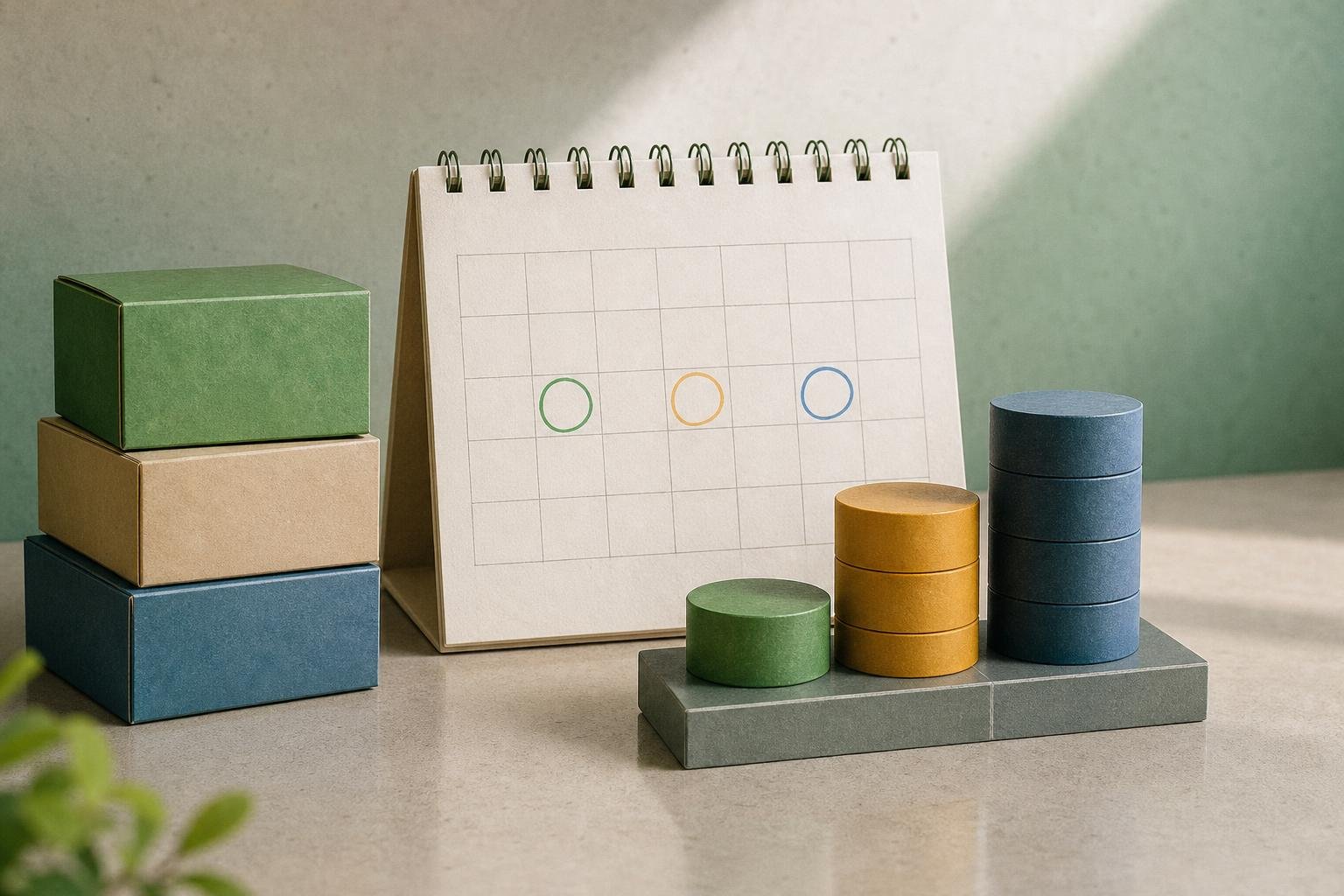
That is why we prefer a cleaner read at GreenWard: split repeat purchases by time. When we review a cohort, we want to know how many customers buy again by day 30, day 60, and day 90. That gives us a much clearer view of what is actually happening after the first order.
Why blended repeat purchase data can hide the real pattern
When repeat purchase data is collapsed into one number, it can look neat on a dashboard and still be misleading. A single blended repeat purchase rate tells us that customers are coming back, but it does not tell us when they are coming back. And timing matters.
If a product is naturally replenished, early repeat purchases may be the most important sign to watch. If a product becomes part of a longer habit, later repeat purchases may matter more. Those are different retention stories, and they deserve different reads.
For Shopify merchants trying to increase lifetime value, this matters because the same total LTV can be built in very different ways. Two cohorts can end up with similar revenue, while one is driven by fast second orders and the other by slower, more durable repeat behavior. If we only look at the blended number, we miss the difference.
A better cohort check: day 30, day 60, day 90
The simplest way to improve the read is also the most practical. For each cohort, look at repeat purchase rate by day 30, day 60, and day 90. That gives us three checkpoints instead of one blended bucket.
Those checkpoints do not need to be complicated. They just need to be consistent. Once we start reading cohorts this way, we can see whether repeat behavior is happening early, building steadily, or showing up later than expected.
This also helps us avoid overreacting to the wrong metric. A cohort may look flat on total LTV in the short term, while the second order rate is improving. That is often an earlier signal worth paying attention to, especially when we are testing retention work.
How this changes the way we judge retention
Retention work should be measured fairly. A loyalty offer, for example, may not move total LTV immediately. That does not mean it is not working. It may be improving the second order rate first, which is often the earlier signal that the customer relationship is strengthening.
That is the real value of time-based repeat purchase analysis: it helps us separate early momentum from long-term habit. It gives us a better read on whether our retention efforts are changing customer behavior in the right window, not just inflating one blended number.
For brands trying to grow lifetime value, this is a useful shift in thinking. We do not need more vanity reporting. We need a read that tells us what kind of repeat behavior we are actually building.
If you want to think more clearly about retention and customer value, start with the cohort window before you start with the headline number. That is the kind of read we prefer at GreenWard.
And if you are building a Shopify retention system, it helps to keep the question simple: what is happening by day 30, day 60, and day 90?
That answer is usually more useful than a single blended LTV number. It is also a better way to understand whether your repeat purchase engine is creating routine replenishment, true habit, or both. For more on how we think about growth and retention, visit our website.


