
Introduction
- Explanation of competitive analysis and benchmarking
- Importance for sustainable business growth
- Engaging example or anecdote to capture interest
Section 1: Understanding Competitive Analysis
- Definition and purpose
- Key components of competitive analysis
- Benefits of conducting competitive analysis
Section 2: Steps to Conduct Effective Competitive Analysis
- Identifying your competitors
- Collecting data on competitors
- Analyzing competitors' strengths and weaknesses
- Evaluating competitors' strategies and market positioning
Section 3: Understanding Benchmarking
- Definition and purpose
- Types of benchmarking: internal, competitive, functional, and generic
- Benefits of benchmarking for businesses
Section 4: Steps to Implement Benchmarking
- Identifying areas for improvement
- Selecting benchmarking partners
- Collecting and analyzing benchmarking data
- Implementing changes based on benchmarking results
Section 5: Tools and Techniques for Competitive Analysis and Benchmarking
- Competitive analysis tools (e.g., SWOT analysis, Porter’s Five Forces)
- Benchmarking tools and techniques
- Software and platforms for data collection and analysis
Section 6: Real-World Examples
- Case studies of successful competitive analysis and benchmarking
- Examples from various industries
Q&A Section
- Common questions about competitive analysis and benchmarking
- Detailed answers to these questions
- Tips for overcoming common challenges
Conclusion
- Recap of key points
- Final thoughts on the importance of competitive analysis and benchmarking
- Call to action for business owners to start leveraging these techniques
FAQs Section
- Additional frequently asked questions and answers
- Resources for further reading
Introduction

In the rapidly evolving business world, staying ahead of the competition is crucial for sustainable growth. Competitive analysis and benchmarking are essential tools for understanding your market position, identifying opportunities for improvement, and ensuring long-term success. Imagine you're a business owner aiming to outperform competitors in a saturated market. Without a clear understanding of their strategies and performance, your efforts might fall short. This blog will guide you through the processes of competitive analysis and benchmarking, providing the insights you need to harness these techniques effectively for sustainable business growth.
Understanding Competitive Analysis
Competitive analysis is the process of identifying your competitors and evaluating their strategies to understand their strengths and weaknesses relative to your own business. It involves collecting and analyzing data on competitors' products, services, marketing strategies, and market positioning. Conducting competitive analysis helps businesses identify opportunities for differentiation, anticipate market trends, and make informed strategic decisions.
Key Components of Competitive Analysis
Market Positioning
Understanding how competitors position themselves in the market helps you identify gaps and opportunities for your own business. This involves analyzing their value propositions, target audience, and branding strategies.
Product and Service Offerings
Evaluating competitors' products and services provides insights into their strengths and weaknesses. This includes assessing product features, quality, pricing, and customer feedback.
Marketing Strategies
Analyzing competitors' marketing strategies reveals how they attract and retain customers. This includes studying their advertising campaigns, social media presence, content marketing efforts, and promotional tactics.
Sales and Distribution Channels
Understanding competitors' sales and distribution channels helps you identify potential areas for improvement in your own supply chain and distribution network.
Benefits of Conducting Competitive Analysis
Informed Decision-Making
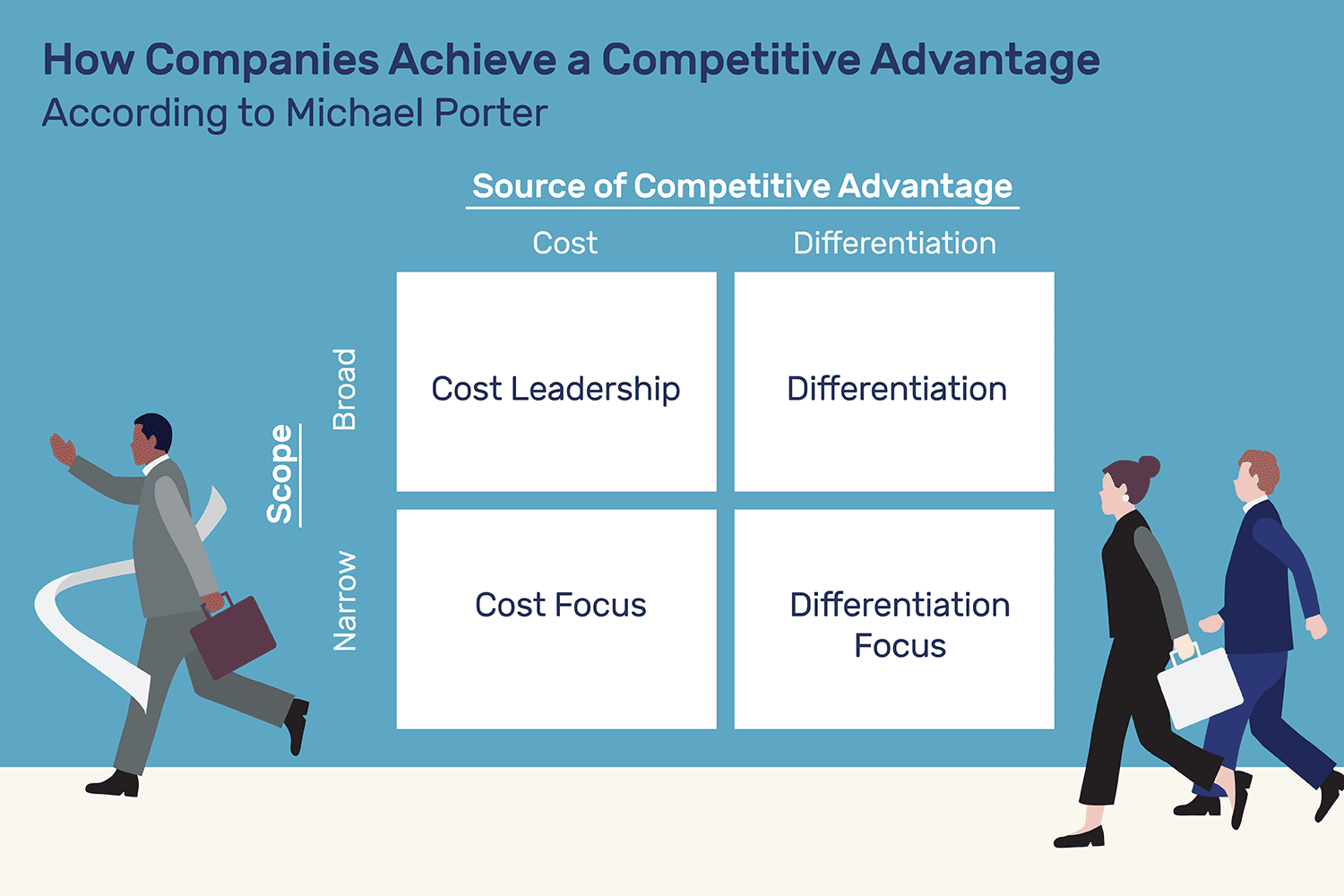
Competitive analysis provides the data needed to make strategic decisions, from product development to marketing and sales strategies. By understanding your competitors' strengths and weaknesses, you can make informed choices that enhance your competitive advantage.
Opportunity Identification
Identifying gaps in the market and opportunities for differentiation allows you to develop unique value propositions that resonate with your target audience. This can lead to increased market share and customer loyalty.
Risk Mitigation
Understanding competitors' strategies helps you anticipate market trends and potential threats, allowing you to mitigate risks and adapt your business strategies accordingly.
Steps to Conduct Effective Competitive Analysis

Identifying Your Competitors
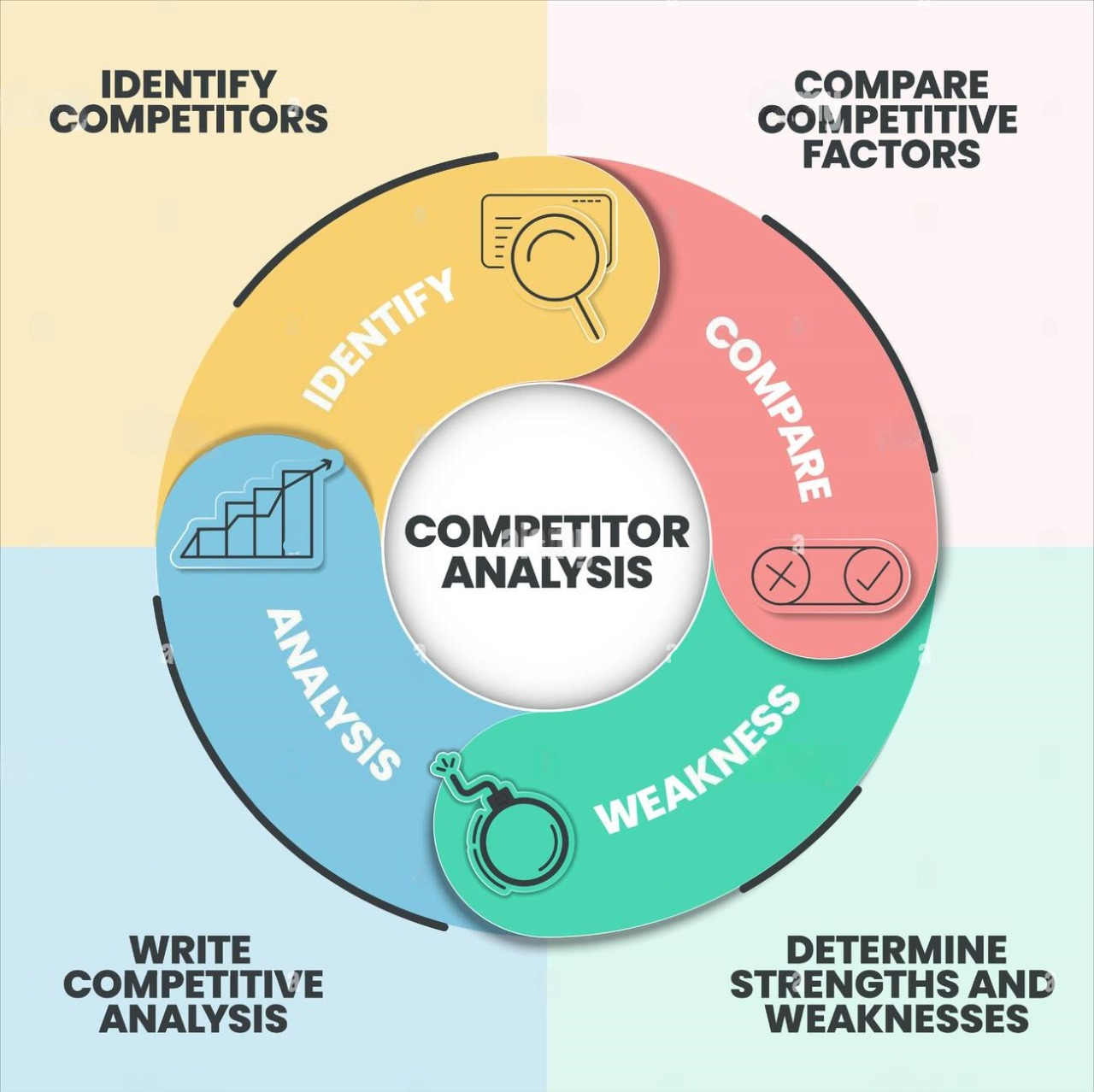
The first step in competitive analysis is identifying who your competitors are. This includes direct competitors offering similar products or services, as well as indirect competitors addressing the same customer needs in different ways.
Collecting Data on Competitors
Gather data on competitors from various sources, including their websites, social media profiles, financial reports, press releases, and customer reviews. Use tools like Google Alerts, SEMrush, and SimilarWeb to monitor competitors' online activities.
Analyzing Competitors' Strengths and Weaknesses
Conduct a SWOT analysis (Strengths, Weaknesses, Opportunities, Threats) for each competitor to identify their key strengths and weaknesses. This analysis helps you understand where your competitors excel and where they may be vulnerable.
Evaluating Competitors' Strategies and Market Positioning
Analyze competitors' market positioning and strategies to identify opportunities for differentiation. Look at their marketing messages, target audience, pricing strategies, and distribution channels to understand how they position themselves in the market.
Understanding Benchmarking
Benchmarking is the process of comparing your business processes and performance metrics to industry best practices and standards. It helps identify areas for improvement and set performance goals based on proven practices. Benchmarking involves evaluating your business against competitors, industry leaders, or internal standards.
Types of Benchmarking
Internal Benchmarking
Internal benchmarking involves comparing performance across different departments or units within the same organization. This helps identify best practices and areas for improvement within the company.
Competitive Benchmarking
Competitive benchmarking involves comparing your business performance with that of direct competitors. This helps identify gaps in performance and areas where you can gain a competitive advantage.
Functional Benchmarking
Functional benchmarking involves comparing specific functions or processes with those of organizations in different industries. This helps identify innovative practices that can be adapted to your own business.
Generic Benchmarking
Generic benchmarking involves comparing general business processes and practices that are similar across industries. This helps identify best practices that can improve overall business performance.
Benefits of Benchmarking for Businesses
Performance Improvement
Benchmarking helps identify areas for improvement by comparing your performance with industry standards and best practices. This leads to enhanced efficiency, productivity, and overall performance.
Goal Setting
Benchmarking provides a basis for setting realistic performance goals and targets. By understanding industry standards, businesses can set achievable objectives that drive continuous improvement.
Innovation and Best Practices
Benchmarking exposes businesses to new ideas and innovative practices from other industries. This fosters creativity and encourages the adoption of best practices that can drive business growth.
Steps to Implement Benchmarking
Identifying Areas for Improvement
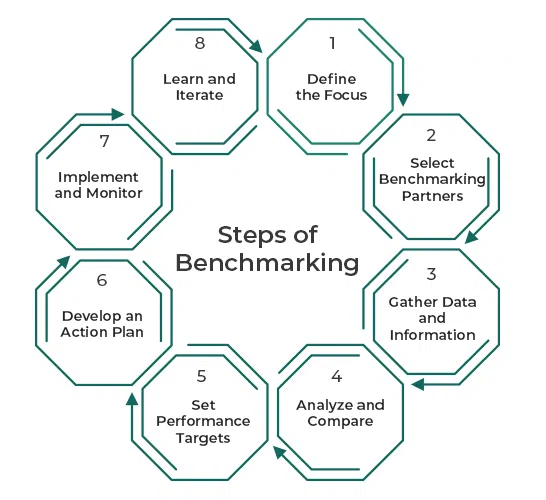
The first step in benchmarking is identifying the specific areas or processes you want to improve. This involves analyzing your current performance and identifying key performance indicators (KPIs) that need enhancement.
Selecting Benchmarking Partners
Choose organizations or departments with similar processes or performance metrics to benchmark against. This can include direct competitors, industry leaders, or companies in different industries with best-in-class practices.
Collecting and Analyzing Benchmarking Data
Gather data on the performance metrics of your benchmarking partners through industry reports, surveys, and direct collaboration. Analyze the data to identify performance gaps and areas for improvement.
Implementing Changes Based on Benchmarking Results
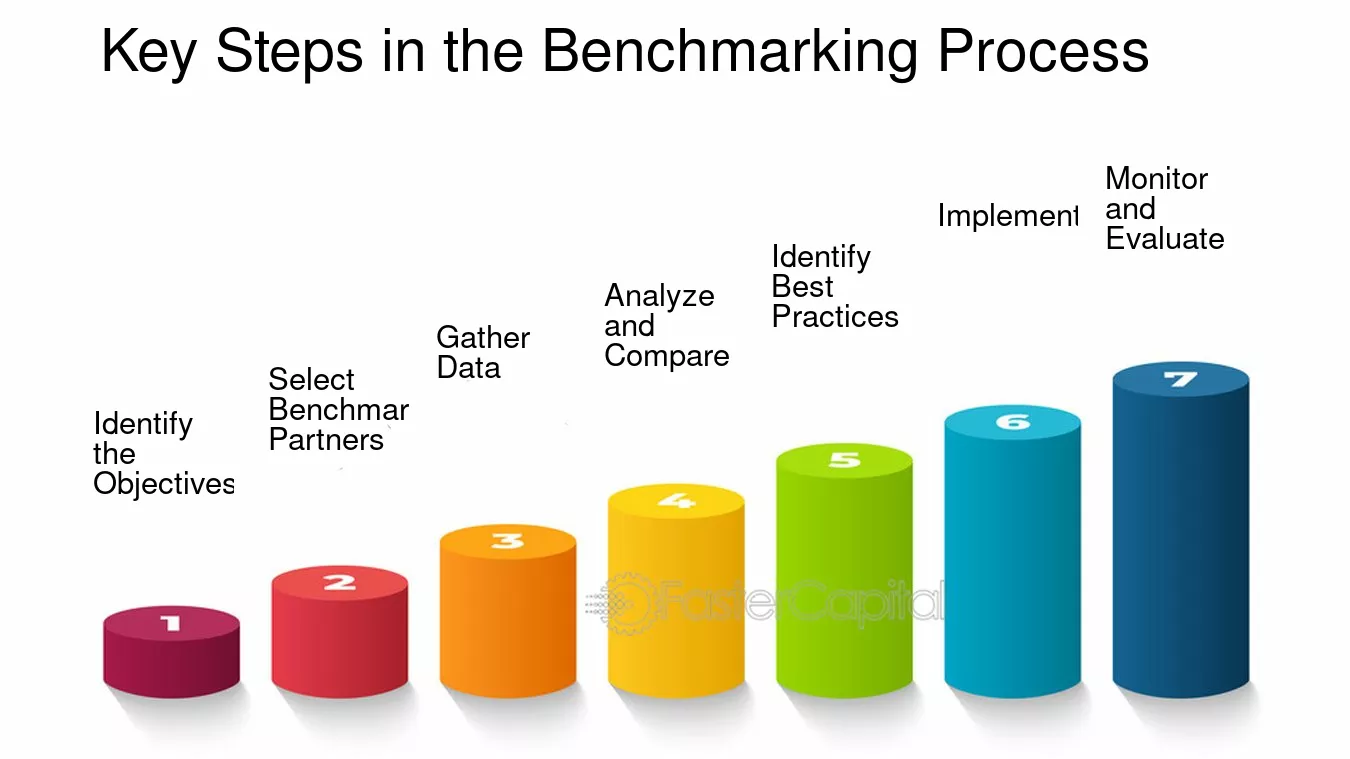
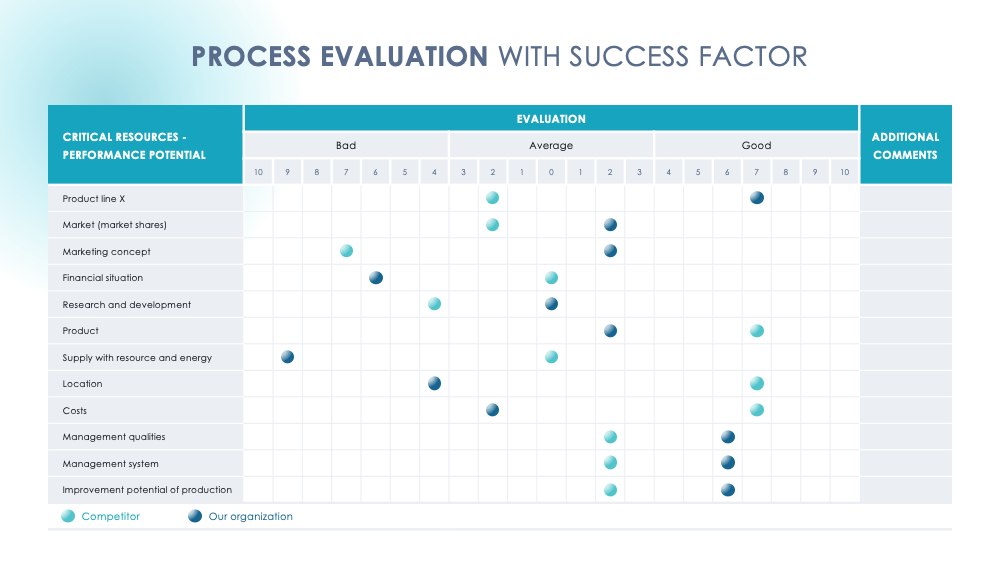
Develop and implement action plans to address the performance gaps identified through benchmarking. This involves adopting best practices, optimizing processes, and setting performance targets to drive continuous improvement.
Tools and Techniques for Competitive Analysis and Benchmarking
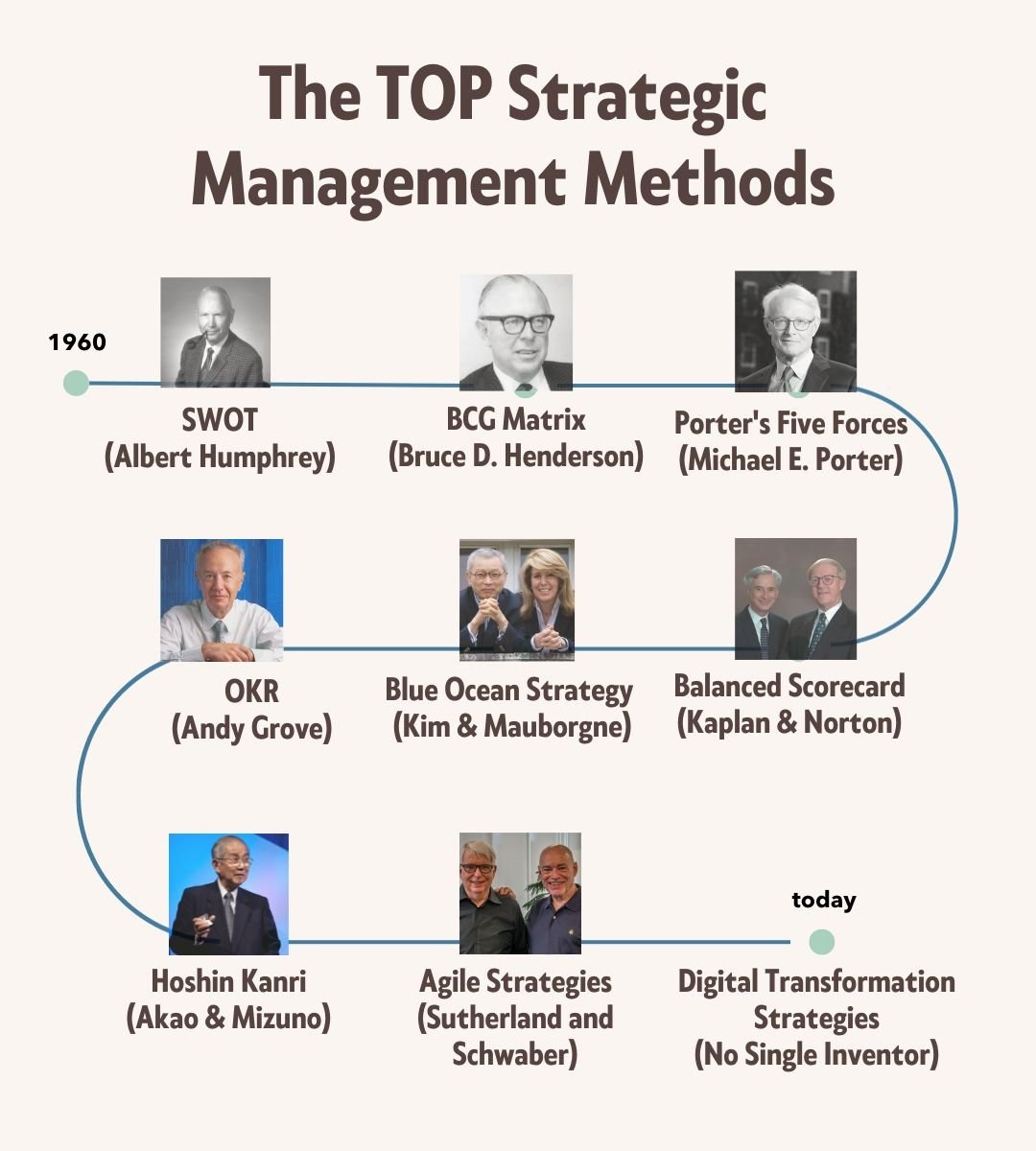
SWOT Analysis
SWOT analysis is a strategic planning tool used to identify an organization's strengths, weaknesses, opportunities, and threats. It helps businesses understand their competitive position and develop strategies to leverage strengths and address weaknesses.
Porter’s Five Forces
Porter's Five Forces is a framework for analyzing the competitive forces within an industry. It helps businesses understand the intensity of competition and the factors affecting profitability. The five forces include the threat of new entrants, bargaining power of suppliers, bargaining power of buyers, threat of substitute products, and industry rivalry.
Benchmarking Tools and Techniques
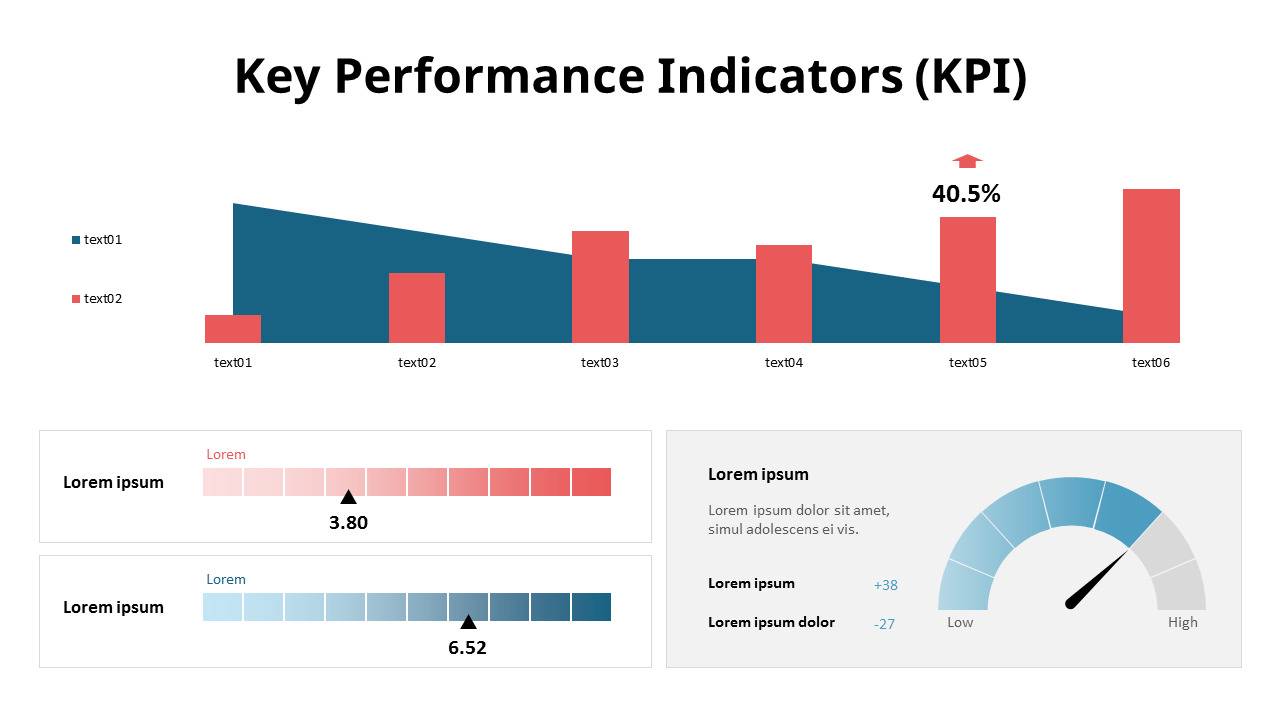
Various tools and techniques can be used for benchmarking, including balanced scorecards, performance dashboards, and benchmarking software. These tools help collect, analyze, and visualize performance data, making it easier to identify areas for improvement.
Software and Platforms for Data Collection and Analysis
Numerous software and platforms are available for data collection and analysis in competitive analysis and benchmarking. Examples include Tableau, Power BI, Google Analytics, and competitive intelligence tools like SEMrush and SimilarWeb. These tools provide powerful data visualization and analysis capabilities, helping businesses make informed decisions.
Real-World Examples
Case Study: Tech Startup A tech startup wanted to launch a new software product. They conducted a competitive analysis by identifying key competitors and analyzing their product offerings, pricing strategies, and marketing campaigns. The startup also benchmarked their software development processes against industry best practices. By integrating insights from competitive analysis and benchmarking, the startup developed a product that met market needs and adopted best-in-class practices, leading to a successful launch and rapid market penetration.
Case Study: Retail Business A retail business used competitive analysis to identify gaps in their product offerings and understand competitors' marketing strategies. They also benchmarked their customer service processes against industry leaders. By implementing best practices identified through benchmarking, the retail business improved their customer service, enhanced their product range, and gained a competitive edge in the market.
Q&A Section
What are the key benefits of competitive analysis and benchmarking? Competitive analysis and benchmarking provide valuable insights into your market position, identify opportunities for improvement, and help you develop strategies to gain a competitive advantage. These techniques enhance decision-making, foster innovation, and drive continuous improvement.
How often should businesses conduct competitive analysis and benchmarking? Businesses should conduct competitive analysis and benchmarking regularly, at least once a year, and more frequently if operating in a rapidly changing industry. Continuous monitoring ensures that businesses stay ahead of market trends and adapt their strategies accordingly.
What tools are available for competitive analysis and benchmarking? Various tools are available, including SWOT analysis, Porter’s Five Forces, balanced scorecards, performance dashboards, and benchmarking software. Data collection and analysis platforms like Tableau, Power BI, and Google Analytics are also valuable for these processes.
How can small businesses afford competitive analysis and benchmarking? While some tools and reports can be expensive, there are affordable options available. Many industry associations and trade organizations offer reports at a lower cost. Free tools like Google Analytics and public data sources can also provide valuable insights. Additionally, businesses can start with internal benchmarking to identify areas for improvement without incurring significant costs.
What are the common challenges in competitive analysis and benchmarking? Common challenges include accessing reliable data, analyzing large volumes of data, and staying up-to-date with market trends. Overcoming these challenges requires a combination of good data sources, analytical tools, and a proactive approach to monitoring the market.
Conclusion
In conclusion, competitive analysis and benchmarking are essential tools for sustainable business growth. By understanding your competitors and evaluating your performance against industry best practices, you can identify opportunities for improvement, develop effective strategies, and achieve long-term success. Embracing these techniques helps businesses stay ahead of market trends, innovate, and continuously improve their performance. Start leveraging competitive analysis and benchmarking today to fuel your business growth and ensure long-term sustainability.
FAQs Section
How do I identify my competitors for competitive analysis? Identify competitors by looking at businesses offering similar products or services, addressing the same customer needs, and operating in the same market. Use tools like Google Alerts and industry reports to monitor competitors' activities and stay informed.
What are some effective ways to collect data for competitive analysis? Effective ways to collect data include analyzing competitors' websites, social media profiles, financial reports, press releases, and customer reviews. Use tools like SEMrush and SimilarWeb to monitor competitors' online activities and gather comprehensive data.
How can benchmarking improve my business processes? Benchmarking helps identify best practices and performance gaps by comparing your processes with industry standards and best practices. Implementing changes based on benchmarking results leads to improved efficiency, productivity, and overall performance.
What are the key performance indicators (KPIs) for benchmarking? Key performance indicators (KPIs) for benchmarking vary depending on the area being benchmarked. Common KPIs include financial metrics (e.g., revenue, profit margins), operational metrics (e.g., production efficiency, quality control), and customer metrics (e.g., customer satisfaction, retention rates).
How can I ensure the accuracy of my competitive analysis and benchmarking? Ensure accuracy by using reliable data sources, cross-referencing multiple data points, and validating findings through data triangulation. Regularly updating your data and using reputable tools and software for analysis also contribute to accuracy.
What resources are available for learning more about competitive analysis and benchmarking? Additional resources include online courses, industry webinars, and publications from market research firms. Websites like Coursera, LinkedIn Learning, and industry association websites offer valuable educational content on competitive analysis and benchmarking.


