
Introduction
- Brief overview of the importance of market analysis for business strategy
- Introduction to the concept of data sources and their relevance
- Engaging anecdote or example to draw readers in
Section 1: Understanding Market Analysis
- Definition and importance of market analysis
- How market analysis informs business decisions
- Key components of effective market analysis
Section 2: Types of Data Sources
- Primary Data Sourcessome text
- Definition and examples
- Benefits and limitations
- Secondary Data Sourcessome text
- Definition and examples
- Benefits and limitations
Section 3: Essential Data Sources for Market Analysis
- Government and Public Datasome text
- Examples: Census data, economic reports, industry statistics
- How to access and use this data
- Industry Reports and Publicationssome text
- Examples: Market research reports, trade publications, industry white papers
- How to access and use this data
- Company Websites and Financial Reportssome text
- Examples: Annual reports, investor presentations, press releases
- How to access and use this data
- Social Media and Online Reviewssome text
- Examples: Customer reviews, social media analytics, sentiment analysis
- How to access and use this data
- Market Research Firms and Consultanciessome text
- Examples: Nielsen, Gartner, McKinsey
- How to access and use this data
- Customer Surveys and Feedbacksome text
- How to design effective surveys
- How to analyze and use survey data
Section 4: Integrating Data Sources for Comprehensive Analysis
- Combining primary and secondary data
- Using data triangulation for accuracy
- Tools and software for data integration
Section 5: Real-World Examples
- Case study of a successful market analysis
- Examples from various industries
Q&A Section
- Common questions business owners have about data sources
- Detailed answers to these questions
- Tips for overcoming common challenges
Conclusion
- Recap of key points
- Final thoughts on the importance of utilizing diverse data sources
- Call to action for business owners to start leveraging these data sources
FAQs Section
- Additional frequently asked questions and answers
- Resources for further reading
Introduction

In today's fast-paced business environment, staying ahead of the competition requires a deep understanding of the market landscape. Market analysis is crucial for making informed decisions, identifying opportunities, and mitigating risks. The backbone of effective market analysis lies in utilizing a variety of data sources to gather insights. Imagine you're a business owner looking to expand into a new market. Without the right data, your decisions are based on guesswork, increasing the likelihood of costly mistakes. This blog will guide you through the essential data sources for market analysis, providing the tools you need to fuel your business strategy with accurate and actionable insights.
Understanding Market Analysis

Market analysis involves examining market conditions to understand the dynamics affecting your business. It includes assessing the market size, identifying trends, analyzing competition, and understanding customer needs. A comprehensive market analysis informs strategic decisions, helping you to adapt to changing conditions, identify growth opportunities, and avoid potential pitfalls. The key components of market analysis include market segmentation, competitive analysis, and customer analysis. Each of these components relies on accurate data from reliable sources.
Market Segmentation
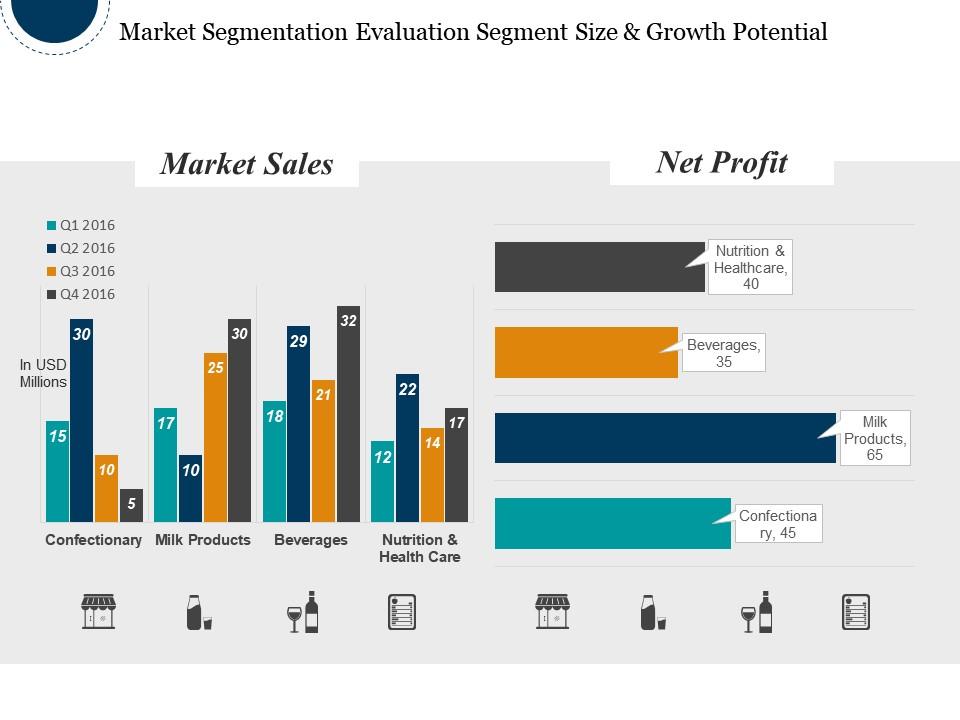
Market segmentation involves dividing a broad market into smaller subsets of consumers or businesses that have common needs and priorities. This helps businesses tailor their products, services, and marketing efforts to specific segments, making them more effective and efficient. Key data sources for market segmentation include demographic data, psychographic profiles, and behavioral data. Understanding these segments allows businesses to better meet the needs of their target audiences.
Competitive Analysis
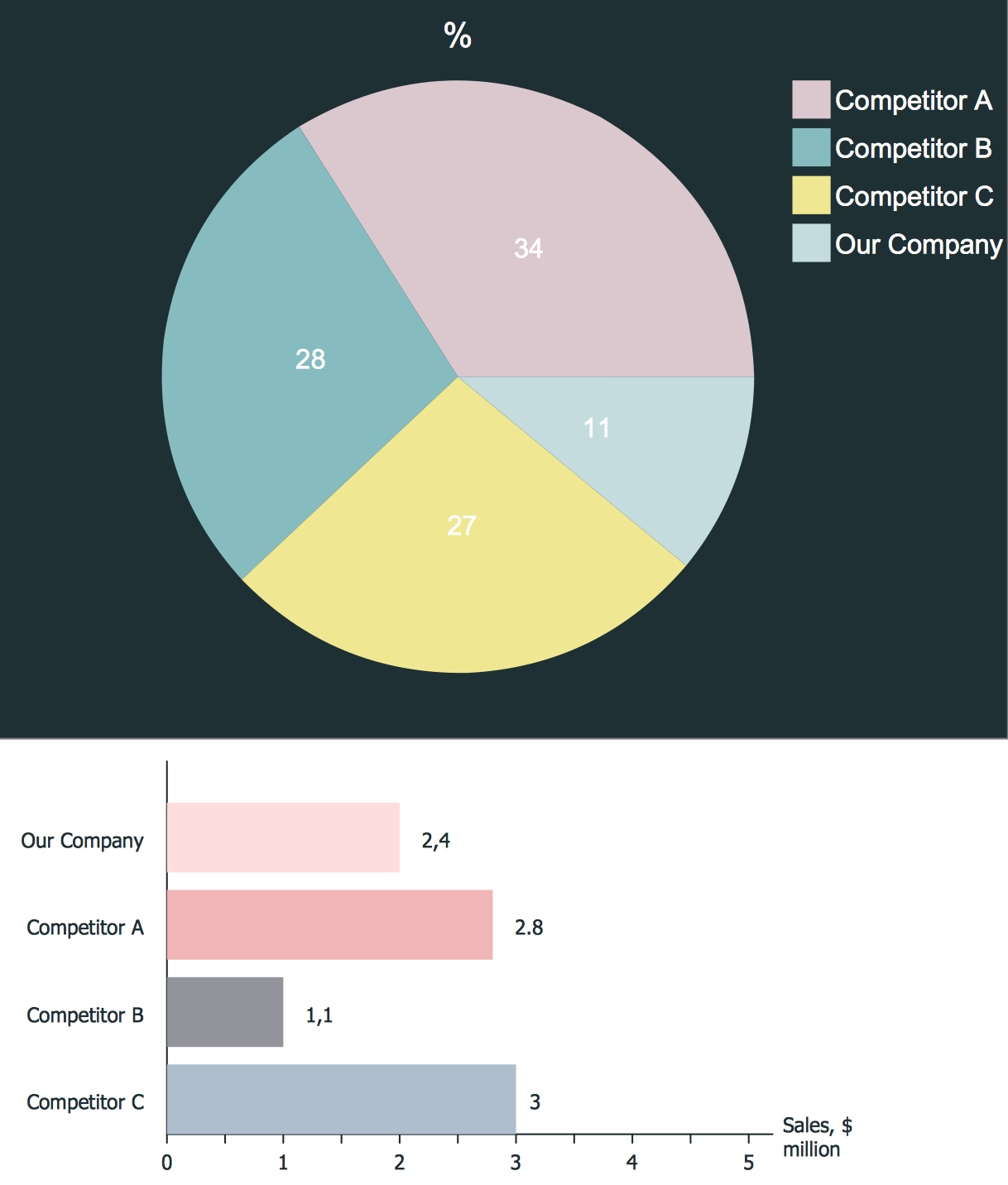
Competitive analysis is the process of evaluating your competitors' strengths and weaknesses relative to your own. This helps identify areas where you can gain a competitive advantage and anticipate market shifts. Data sources for competitive analysis include competitors' financial reports, market position, product offerings, and customer reviews. Analyzing this data helps you understand your competitors' strategies and market positioning, enabling you to refine your own approach.
Customer Analysis
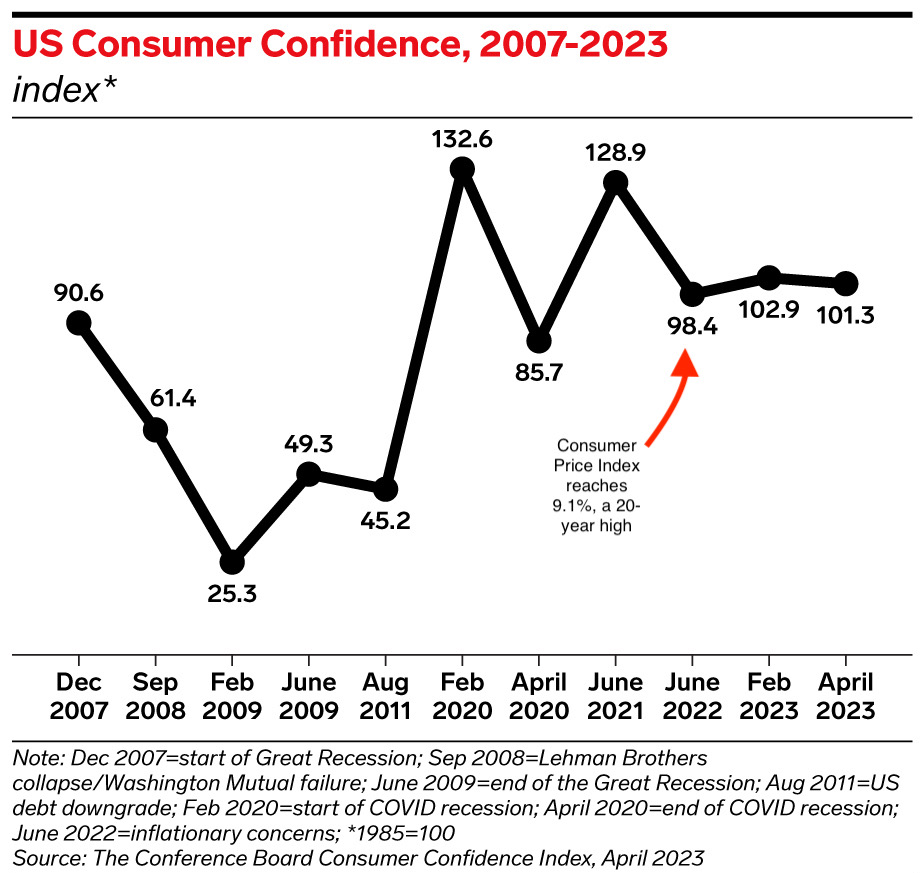
Customer analysis involves studying your customers to understand their needs, preferences, and behaviors. This is crucial for developing products and services that meet their demands and for creating targeted marketing campaigns. Data sources for customer analysis include customer surveys, feedback forms, social media interactions, and purchase history. By analyzing this data, businesses can create detailed customer profiles and improve customer satisfaction and loyalty.
Types of Data Sources
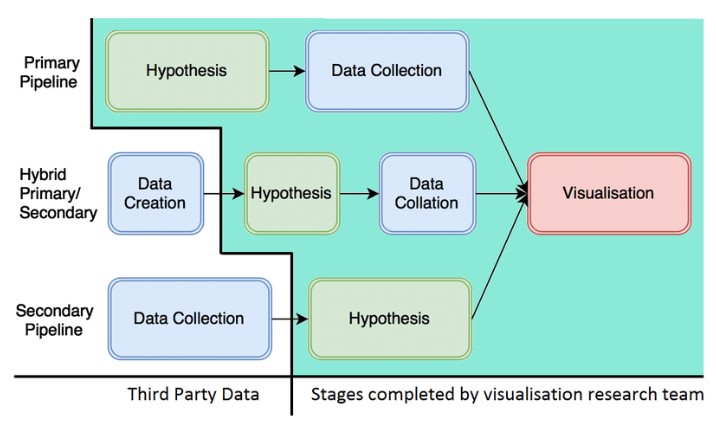
Data sources for market analysis can be categorized into two main types: primary and secondary.
Primary Data Sources
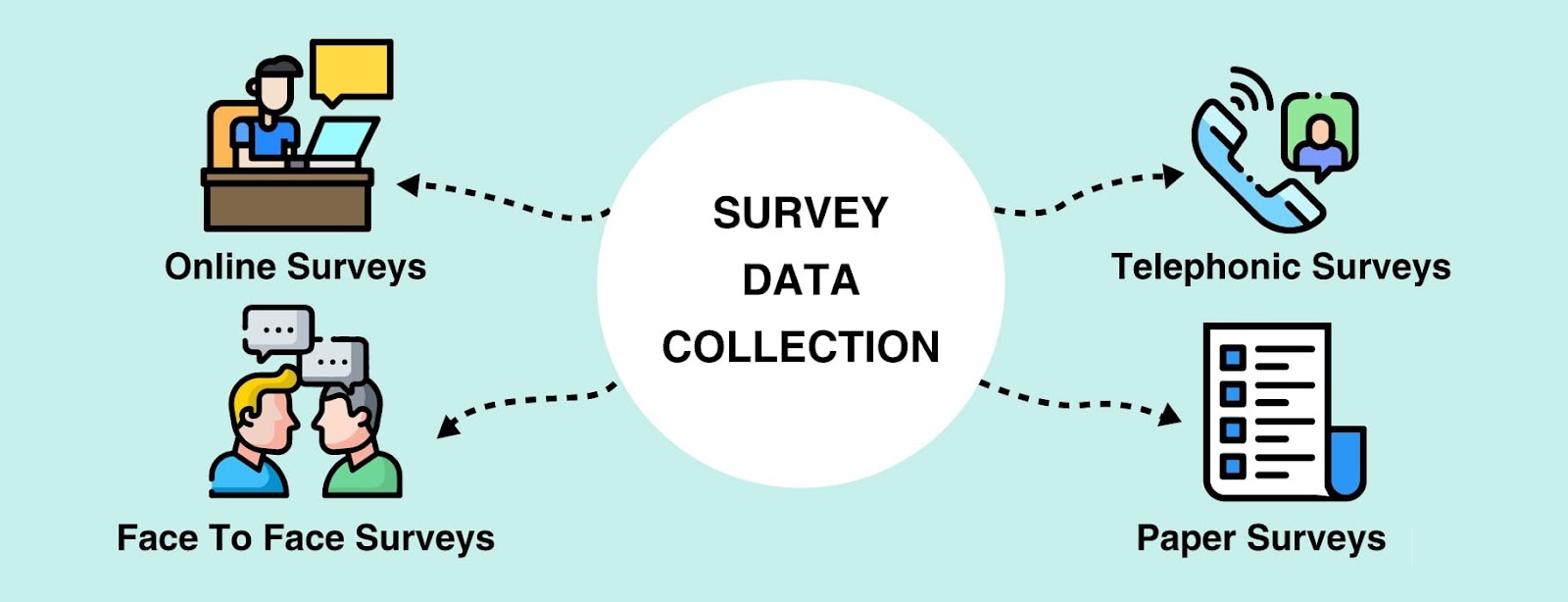
Primary data sources are original, first-hand data collected directly from the source. This includes surveys, interviews, focus groups, and observations. The benefits of primary data are its specificity and relevance to your particular research question. However, collecting primary data can be time-consuming and costly.
Surveys
Surveys are one of the most common primary data collection methods. They can be conducted online, via phone, or in person. Surveys allow businesses to gather quantitative data on customer preferences, satisfaction levels, and market trends. Designing effective surveys involves asking clear, concise questions and providing a mix of multiple-choice and open-ended questions to capture comprehensive insights.
Interviews
Interviews provide qualitative data through one-on-one conversations with customers, industry experts, or stakeholders. They offer deeper insights into customer opinions, motivations, and experiences. Conducting interviews requires skilled interviewers who can ask probing questions and analyze responses to uncover valuable information.
Focus Groups
Focus groups involve guided discussions with a small group of participants who share common characteristics relevant to the research topic. These discussions provide qualitative data on customer perceptions, product usability, and market trends. Focus groups are useful for exploring complex issues and generating ideas for product development and marketing strategies.
Secondary Data Sources
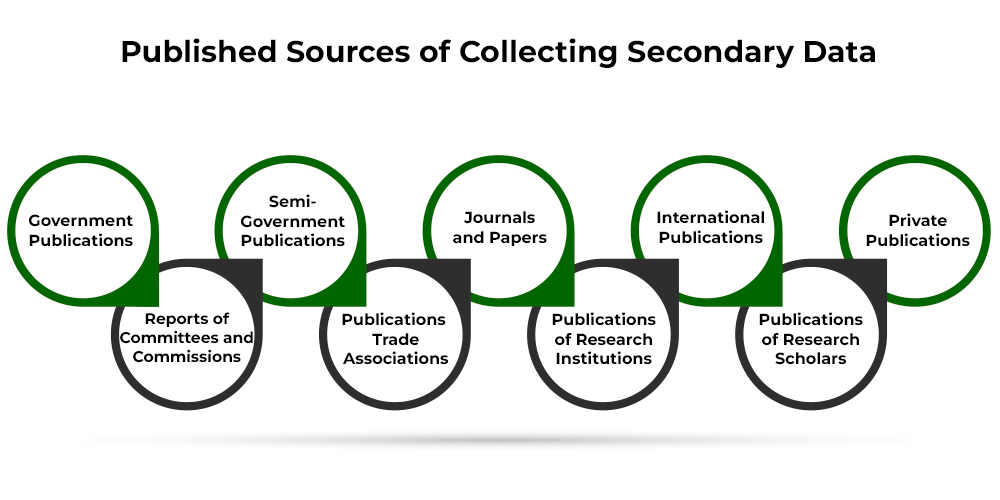
Secondary data sources involve using data that has already been collected and published by others. This includes government reports, industry publications, and market research studies. Secondary data is often more accessible and less expensive than primary data but may not be as tailored to your specific needs.
Essential Data Sources for Market Analysis
Government and Public Data
Government and public data sources provide a wealth of information useful for market analysis. Examples include census data, economic reports, and industry statistics. These sources offer comprehensive and reliable data covering various aspects of the market. Accessing this data is usually free and can be done through government websites and public databases. For instance, the U.S. Census Bureau provides detailed demographic data, while the Bureau of Economic Analysis offers economic statistics that can help you understand market conditions.
Economic Indicators Economic indicators such as GDP, unemployment rates, and consumer price indexes provide insights into the overall economic environment. These indicators help businesses understand the economic factors influencing market conditions and consumer behavior.
Demographic Data Demographic data includes information on population size, age distribution, income levels, education, and more. This data helps businesses identify target market segments and tailor their strategies to meet the needs of different demographic groups.
Industry Reports and Publications
Industry reports and publications are valuable resources for gaining insights into market trends and competitive dynamics. Examples include market research reports, trade publications, and industry white papers. These reports are often produced by industry associations, research firms, and trade organizations. Accessing this data typically involves subscribing to industry publications or purchasing reports from market research firms. These sources provide in-depth analysis and expert opinions, making them invaluable for strategic planning.
Market Research Reports
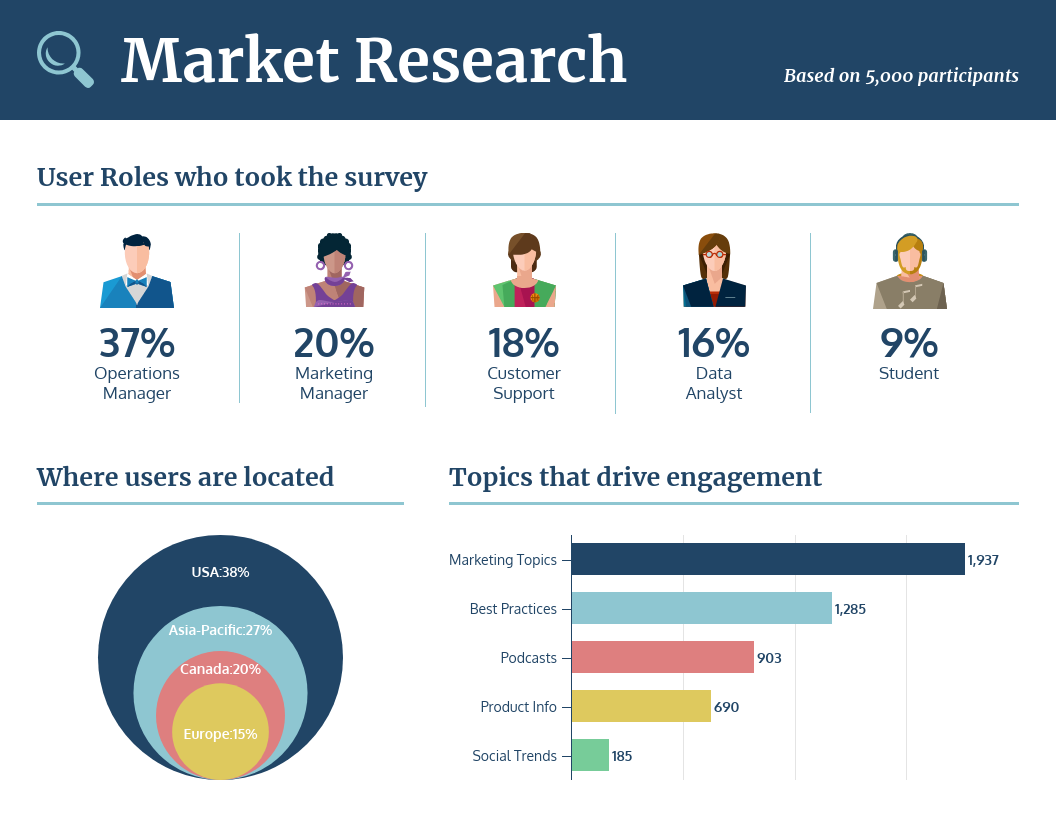
Market research reports offer comprehensive analysis of specific industries, including market size, growth projections, competitive landscape, and consumer trends. These reports provide actionable insights that help businesses make informed decisions and develop effective strategies.
Trade Publications Trade publications are industry-specific magazines, journals, and newsletters that provide news, trends, and expert opinions. Subscribing to trade publications keeps businesses updated on the latest developments in their industry and offers insights from industry leaders.
Company Websites and Financial Reports
Company websites and financial reports are crucial for competitive analysis. Examples include annual reports, investor presentations, and press releases. These documents provide detailed information about a company's performance, strategy, and market positioning. Accessing this data is straightforward as companies are required to publish financial reports and other regulatory filings on their websites. By analyzing competitors' financial health and strategic moves, you can benchmark your performance and identify opportunities for differentiation.
Annual Reports Annual reports provide comprehensive information on a company's financial performance, including revenue, profit, expenses, and growth strategies. Analyzing annual reports helps businesses understand competitors' financial health and identify potential opportunities and threats.
Investor Presentations Investor presentations offer insights into a company's strategic direction, growth plans, and market positioning. These presentations are often available on company websites and provide valuable information for competitive analysis.
Social Media and Online Reviews
Social media and online reviews offer real-time insights into customer opinions and market trends. Examples include customer reviews on platforms like Yelp, social media analytics, and sentiment analysis. This data helps you understand customer preferences, identify emerging trends, and gauge public perception of your brand and competitors. Accessing this data can be done through social media monitoring tools and review aggregation platforms. By leveraging social media data, you can stay attuned to customer needs and adapt your strategies accordingly.
Social Media Analytics Social media analytics tools track and analyze engagement metrics, such as likes, shares, comments, and follower growth. These tools provide insights into customer preferences, brand sentiment, and trending topics.
Sentiment Analysis Sentiment analysis uses natural language processing to determine the sentiment behind customer reviews, social media posts, and other text data. This helps businesses understand public perception of their brand and identify areas for improvement.
Market Research Firms and Consultancies
Market research firms and consultancies provide expert analysis and comprehensive market studies. Examples include Nielsen, Gartner, and McKinsey. These firms conduct extensive research and offer detailed reports covering various aspects of the market. Accessing this data typically involves purchasing reports or subscribing to research services. The insights provided by these firms are based on rigorous methodologies and are often considered industry benchmarks.
Expert Analysis Market research firms employ industry experts who conduct in-depth analysis of market trends, consumer behavior, and competitive dynamics. Their reports provide actionable insights that help businesses make strategic decisions.
Industry Benchmarks Research firms often provide industry benchmarks, which are standards used to compare business performance against industry averages. These benchmarks help businesses evaluate their performance and identify areas for improvement.
Customer Surveys and Feedback
Customer surveys and feedback are primary data sources that provide direct insights from your target audience. Designing effective surveys involves asking clear, concise questions that address your research objectives. Analyzing survey data helps you understand customer needs, preferences, and satisfaction levels. Tools like SurveyMonkey and Google Forms make it easy to create and distribute surveys. By regularly collecting and analyzing customer feedback, you can make data-driven decisions that enhance customer satisfaction and loyalty.
Survey Design Effective survey design involves asking questions that are clear, concise, and relevant to your research objectives. Use a mix of multiple-choice, rating scale, and open-ended questions to capture both quantitative and qualitative data.
Feedback Analysis Analyzing customer feedback involves identifying common themes, trends, and areas for improvement. This analysis helps businesses understand customer needs and preferences, allowing them to tailor their products and services accordingly.
Integrating Data Sources for Comprehensive Analysis

Combining data from multiple sources ensures a more comprehensive market analysis. Integrating primary and secondary data allows you to validate findings and gain a holistic view of the market. Using data triangulation, where multiple data points are cross-referenced, enhances the accuracy of your analysis. Tools and software like Tableau, Power BI, and Google Data Studio can help integrate and visualize data from various sources, making it easier to interpret and act upon.
Data Triangulation
Data triangulation involves using multiple data sources to validate findings and ensure accuracy. By cross-referencing data from different sources, businesses can identify consistent patterns and trends, reducing the risk of relying on a single source of information.
Data Integration Tools
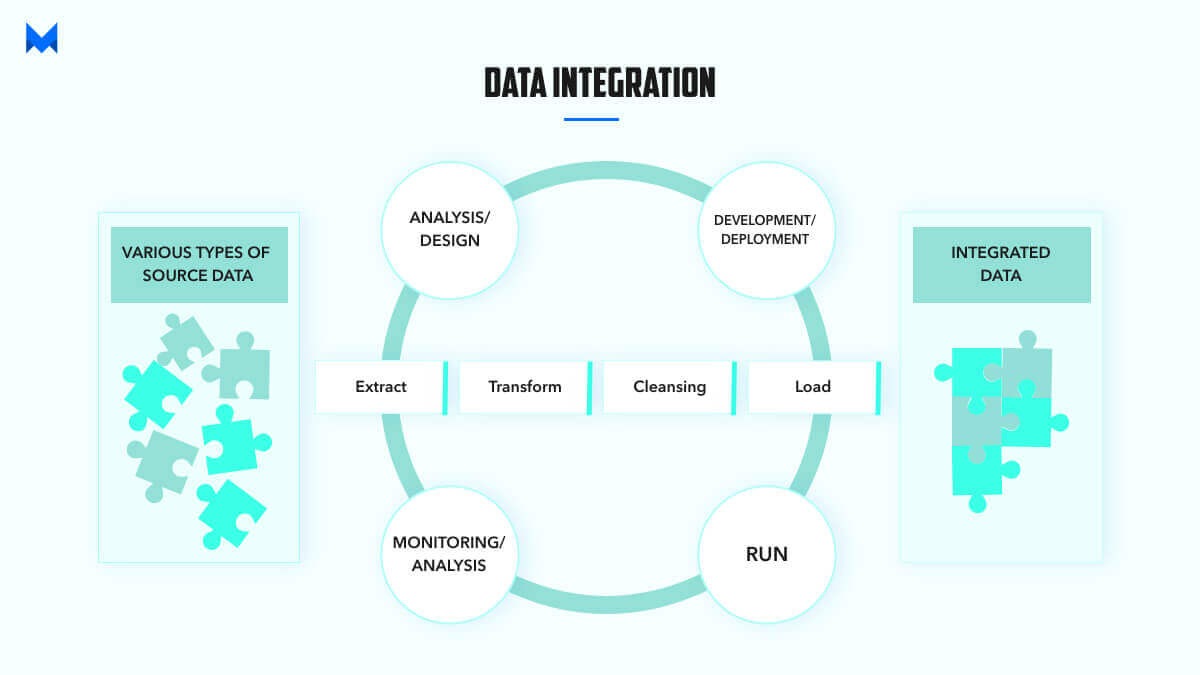
Tools like Tableau, Power BI, and Google Data Studio allow businesses to integrate and visualize data from various sources. These tools provide interactive dashboards and reports that make it easy to analyze complex data and extract actionable insights.
Real-World Examples

Let's explore a case study of a successful market analysis. Imagine a tech startup looking to launch a new product. By combining data from government reports, industry publications, competitor websites, social media, and customer surveys, the startup identified a gap in the market for a specific type of software. This comprehensive analysis informed their product development, marketing strategy, and go-to-market plan, ultimately leading to a successful launch and rapid market penetration.
Case Study: Tech Startup
A tech startup wanted to launch a new productivity software. They conducted a market analysis by collecting data from multiple sources. Government reports provided demographic information on their target audience. Industry publications highlighted trends in the software industry. Competitor websites revealed gaps in existing products. Social media analytics offered insights into customer preferences. Customer surveys identified specific features that users wanted. By integrating these data sources, the startup developed a product that met market needs and successfully launched it, achieving rapid market penetration and high customer satisfaction.
Case Study: Retail Business
In another example, a retail business used social media analytics and customer reviews to identify a growing trend towards sustainable products. By incorporating this insight into their product offerings and marketing campaigns, they attracted a new segment of eco-conscious consumers, boosting their sales and brand reputation.
Q&A Section
What are the most reliable sources of data for market analysis?
Reliable sources of data include government and public data, industry reports, company websites, social media, market research firms, and customer surveys. Each source offers unique insights that can enhance your understanding of the market.
How can I access government and public data?
Government and public data can be accessed through official websites and public databases. Examples include the U.S. Census Bureau, Bureau of Economic Analysis, and international organizations like the World Bank and International Monetary Fund.
What should I look for in industry reports and publications?
Look for reports that provide detailed analysis of market trends, competitive dynamics, and industry forecasts. Ensure the reports are from reputable sources like industry associations, research firms, and trade organizations.
How can social media data be used for market analysis?
Social media data provides real-time insights into customer opinions, preferences, and emerging trends. Use social media monitoring tools and sentiment analysis to track brand mentions, customer reviews, and competitor activity.
What are the benefits of using market research firms?
Market research firms offer expert analysis, comprehensive market studies, and industry benchmarks. Their reports are based on rigorous methodologies and provide in-depth insights that can inform strategic decisions.
How do I design effective customer surveys?
Design surveys with clear, concise questions that address your research objectives. Use a mix of open-ended and closed-ended questions to gather quantitative and qualitative data. Tools like SurveyMonkey and Google Forms can help you create and distribute surveys easily.
What are the challenges of integrating data from multiple sources?
Integrating data from multiple sources can be challenging due to differences in data formats, quality, and availability. Using data integration tools and software can help streamline the process and ensure accurate analysis.
Conclusion
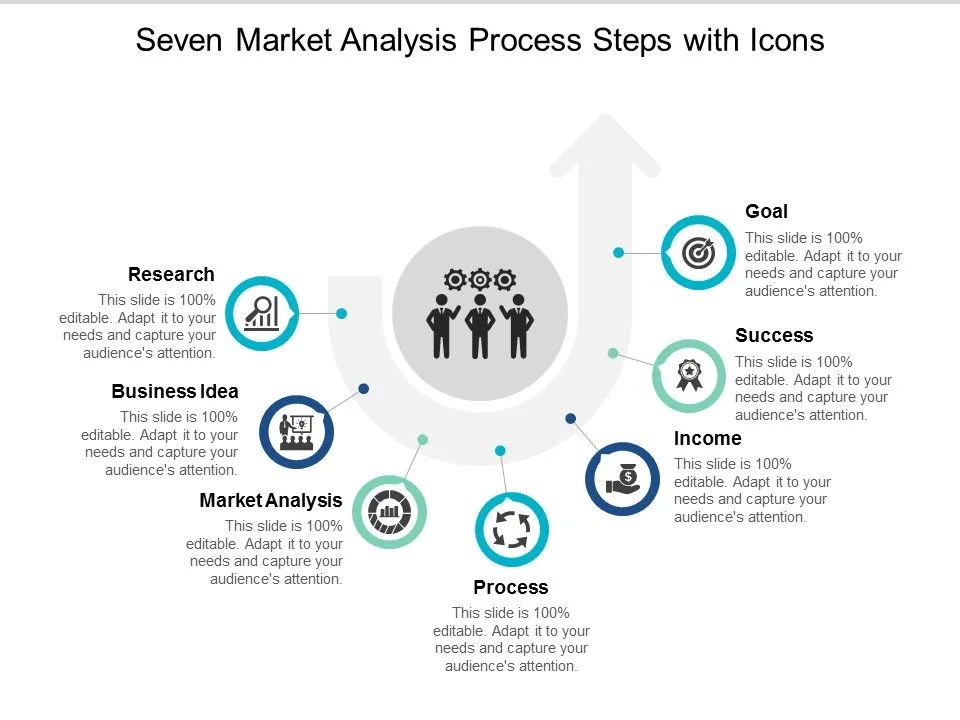
In conclusion, leveraging diverse data sources is essential for effective market analysis and informed business strategy. By utilizing government and public data, industry reports, company websites, social media, market research firms, and customer surveys, you can gain a comprehensive understanding of the market landscape. Integrating data from multiple sources ensures accuracy and provides a holistic view that can drive strategic decisions. Business owners who embrace these data sources are better equipped to navigate market trends, identify opportunities, and achieve sustainable growth. Start leveraging these data sources today to fuel your business strategy and stay ahead of the competition.
FAQs Section
How often should I conduct market analysis?
Market analysis should be conducted regularly, at least once a year, and more frequently if your industry is rapidly changing. Continuous monitoring allows you to stay ahead of trends and adapt your strategies accordingly.
What tools can help integrate data from multiple sources?
Tools like Tableau, Power BI, and Google Data Studio can help integrate and visualize data from various sources, making it easier to interpret and act upon.
Can small businesses afford market research reports?
While some market research reports can be expensive, there are affordable options available. Many industry associations and trade organizations offer reports at a lower cost. Additionally, free government and public data can provide valuable insights.
How can I ensure the accuracy of my market analysis?
Ensuring accuracy involves using reliable data sources, cross-referencing multiple data points, and validating findings through data triangulation. Regularly updating your data and using reputable tools and software for analysis also contribute to accuracy.
What are some common challenges in market analysis?
Common challenges include accessing reliable data, analyzing large volumes of data, and staying up-to-date with market trends. Overcoming these challenges requires a combination of good data sources, analytical tools, and a proactive approach to monitoring the market.
Where can I find additional resources for market analysis?
Additional resources include online courses, industry webinars, and publications from market research firms. Websites like Coursera, LinkedIn Learning, and industry association websites offer valuable educational content on market analysis.


