
Table of Contents
- Introduction
- Understanding NFTs
- How NFTs Work
- The Market for NFTs
- Use Cases of NFTssome text
- Art and Collectibles
- Music and Entertainment
- Real Estate and Virtual Properties
- Gaming
- Benefits of NFTs for Business Owners
- Risks and Challenges
- Future of NFTs
- Frequently Asked Questions (Q&A)
- Conclusion
1. Introduction

The digital landscape is rapidly evolving, bringing new opportunities and challenges for businesses. One of the latest buzzwords in the tech and business world is NFTs, or Non-Fungible Tokens. These digital assets have created a significant impact across various industries, from art and entertainment to real estate and gaming. But what exactly are NFTs, and how can they benefit business owners? This blog aims to demystify NFTs, explore their applications, and provide insights into how businesses can leverage this innovative technology.
2. Understanding NFTs
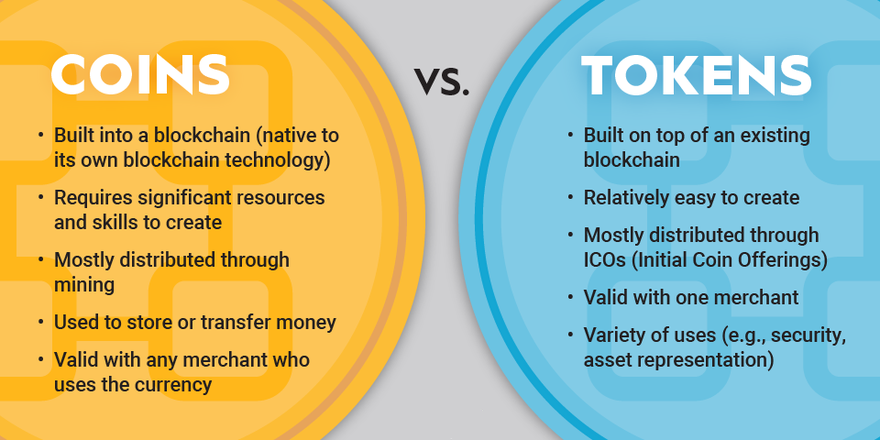
NFTs, or Non-Fungible Tokens, are unique digital assets verified using blockchain technology. Unlike cryptocurrencies such as Bitcoin or Ethereum, which are fungible and can be exchanged on a one-to-one basis, NFTs are one-of-a-kind and cannot be exchanged on a like-for-like basis. This uniqueness makes NFTs ideal for representing ownership of digital and physical assets, from digital art to real estate.
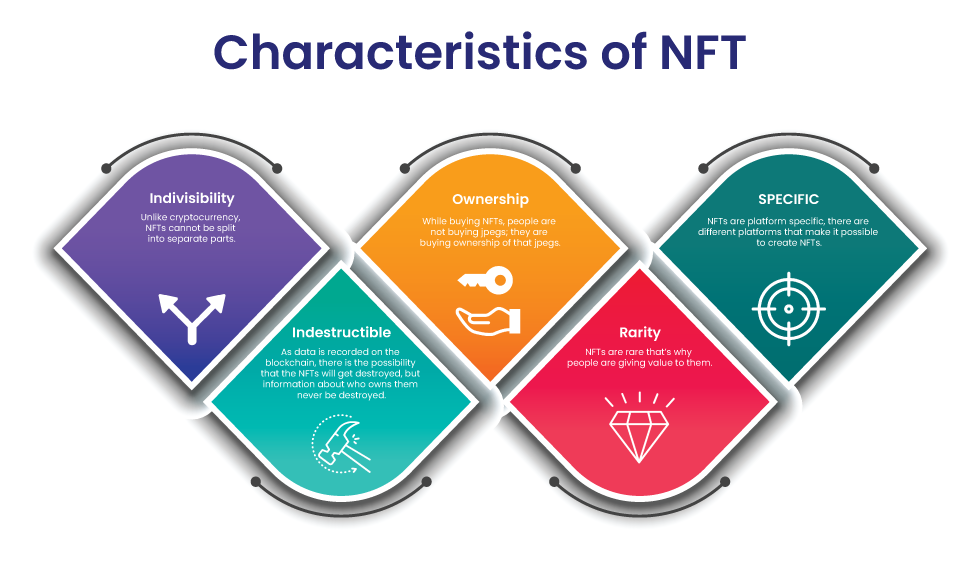
Key Characteristics of NFTs:
- Uniqueness: Each NFT has distinct information or attributes that make it different from any other NFT.
- Indivisibility: NFTs cannot be divided into smaller units; they exist only as whole items.
- Ownership and Provenance: NFTs provide a verifiable record of ownership and history, ensuring authenticity and provenance.
3. How NFTs Work
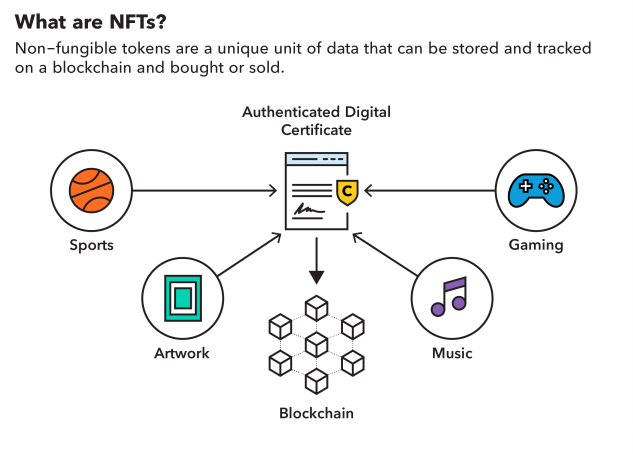
NFTs are built on blockchain technology, which is a decentralized digital ledger that records transactions across many computers. Most NFTs are part of the Ethereum blockchain, although other blockchains, like Binance Smart Chain and Flow, also support NFTs.
Steps to Create and Trade NFTs:
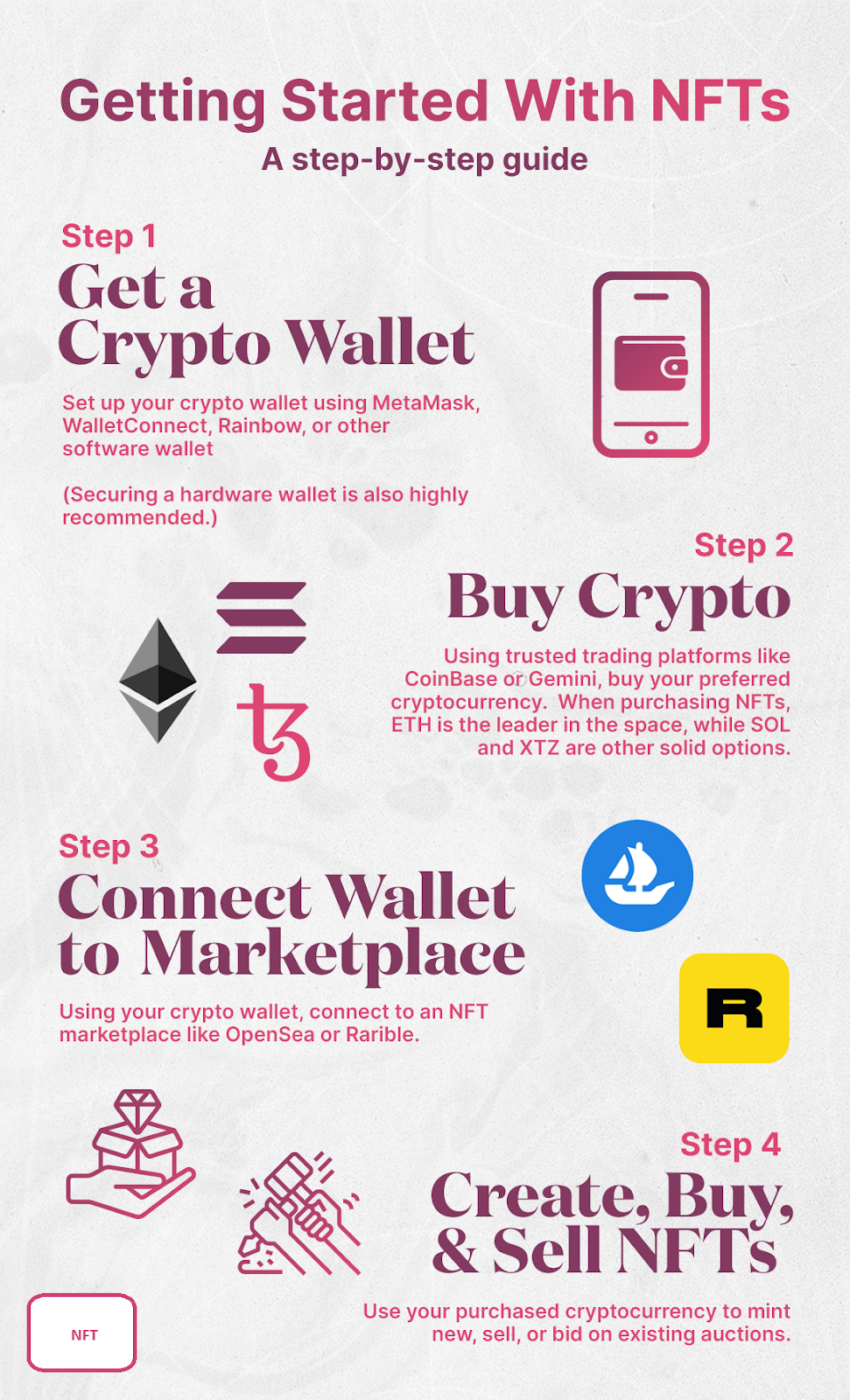
- Creation (Minting): The process of creating an NFT is known as minting. This involves writing the unique properties of the asset into the blockchain.
- Storage: NFTs are stored in digital wallets. These wallets can be software-based (online or mobile apps) or hardware-based (physical devices).
- Marketplace Listing: NFTs can be listed on various online marketplaces where they can be bought, sold, or traded. Popular NFT marketplaces include OpenSea, Rarible, and Mintable.
- Transaction: When an NFT is bought or sold, the transaction is recorded on the blockchain, providing a transparent and immutable record of the exchange.
4. The Market for NFTs
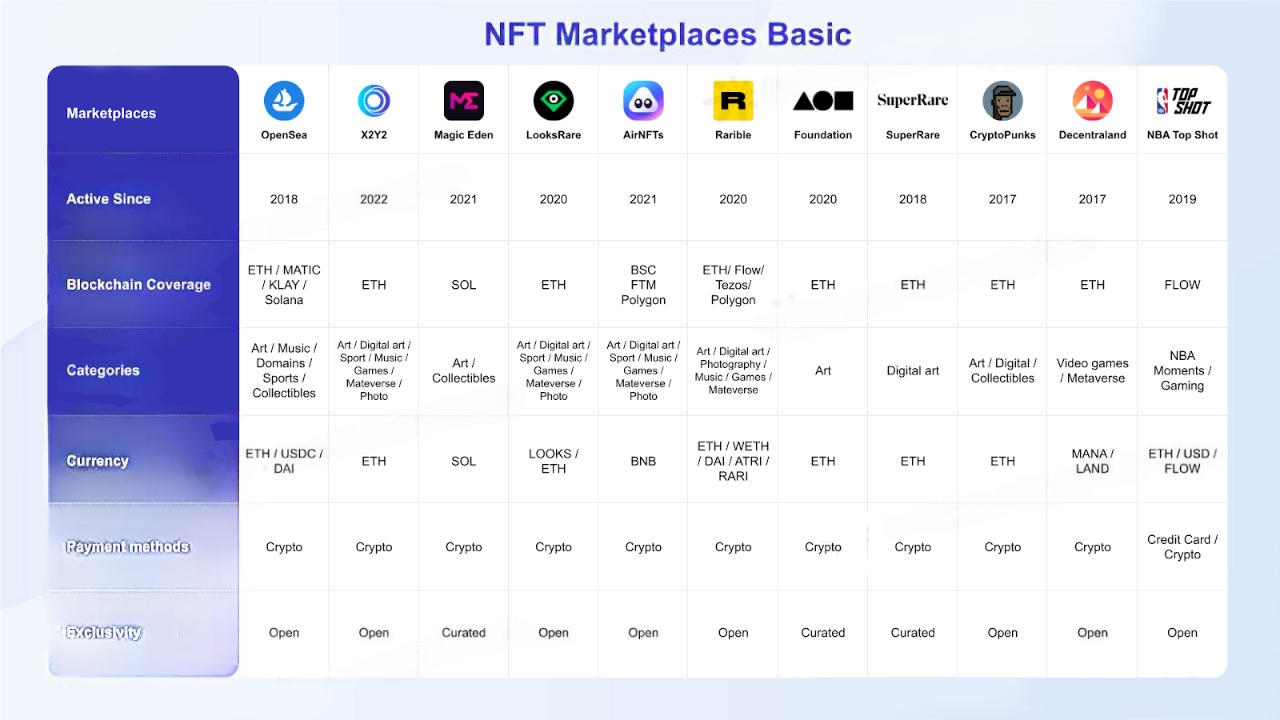
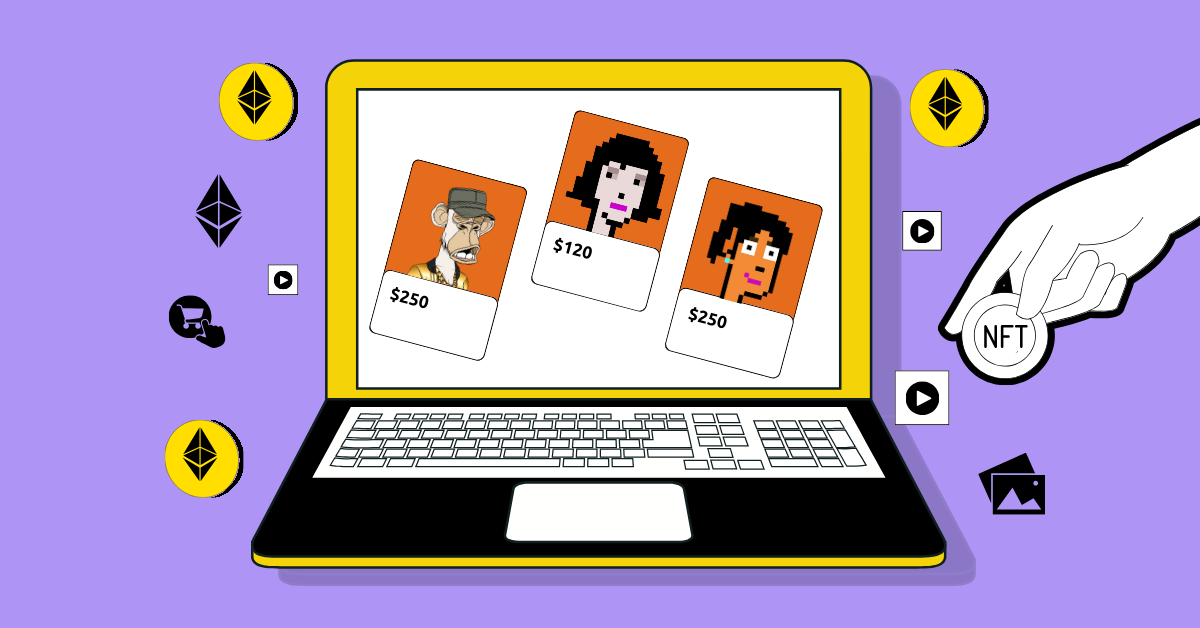
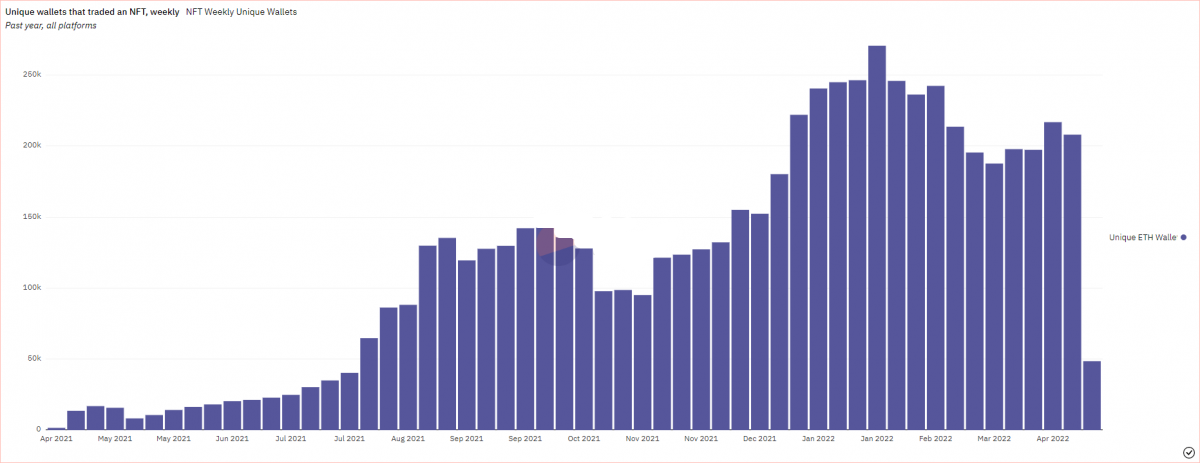
The market for NFTs has grown exponentially over the past few years. According to a report by NonFungible.com, the NFT market reached over $2 billion in sales in the first quarter of 2021 alone. This surge in interest is driven by high-profile sales, celebrity endorsements, and the growing adoption of blockchain technology.
Key Players in the NFT Market:
- Creators: Artists, musicians, and content creators who produce and sell NFTs.
- Collectors: Individuals and investors who buy NFTs for personal enjoyment or as an investment.
- Marketplaces: Platforms where NFTs are bought, sold, and traded.
5. Use Cases of NFTs
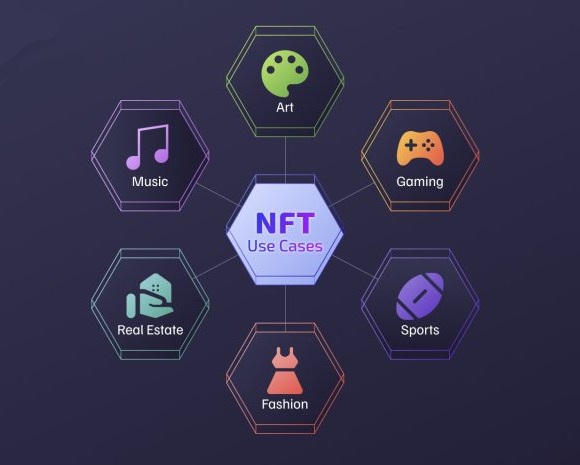
NFTs have a wide range of applications across various industries. Here are some prominent use cases:
Art and Collectibles
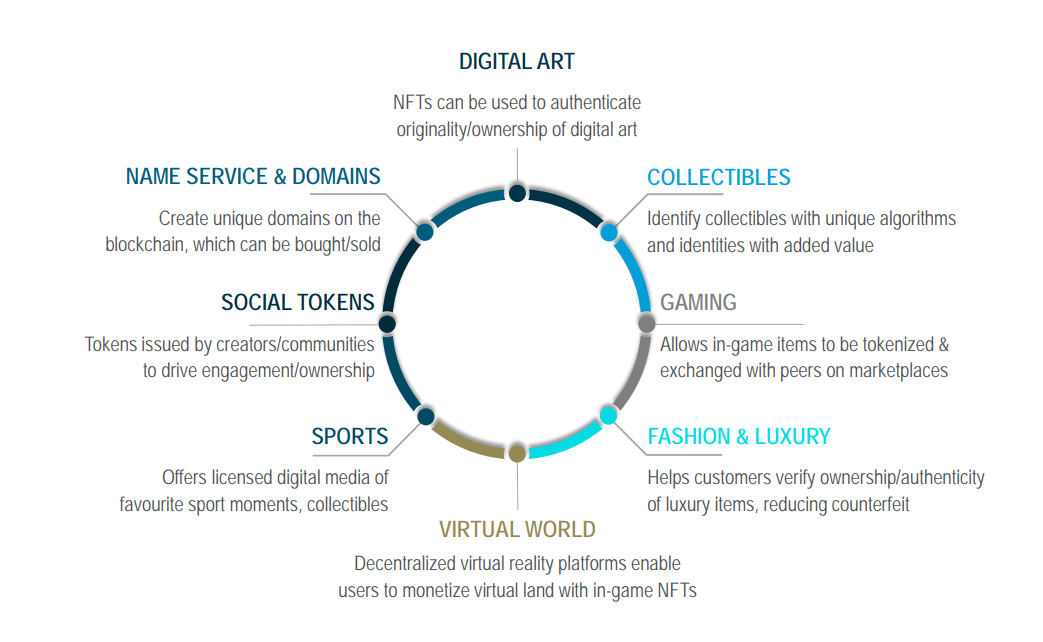
One of the most popular uses of NFTs is in the art world. Digital artists can create unique pieces of art and sell them as NFTs, ensuring ownership and authenticity. Notable examples include Beeple's "Everydays: The First 5000 Days," which sold for $69 million at a Christie's auction.
Music and Entertainment
Musicians and entertainers are using NFTs to monetize their work in new ways. NFTs can represent ownership of music tracks, albums, concert tickets, and exclusive content. For example, Kings of Leon released their album "When You See Yourself" as an NFT, offering exclusive benefits to buyers.
Real Estate and Virtual Properties
NFTs are making their way into the real estate market, both for physical and virtual properties. Virtual worlds like Decentraland and The Sandbox allow users to buy, sell, and develop virtual land using NFTs. In the physical realm, NFTs can represent ownership of real estate properties, streamlining transactions and ensuring clear provenance.
Gaming
The gaming industry is leveraging NFTs to create unique in-game assets that players can own, trade, and sell. Games like Axie Infinity and CryptoKitties have popularized the use of NFTs for virtual pets and in-game items, creating new revenue streams for game developers.
6. Benefits of NFTs for Business Owners
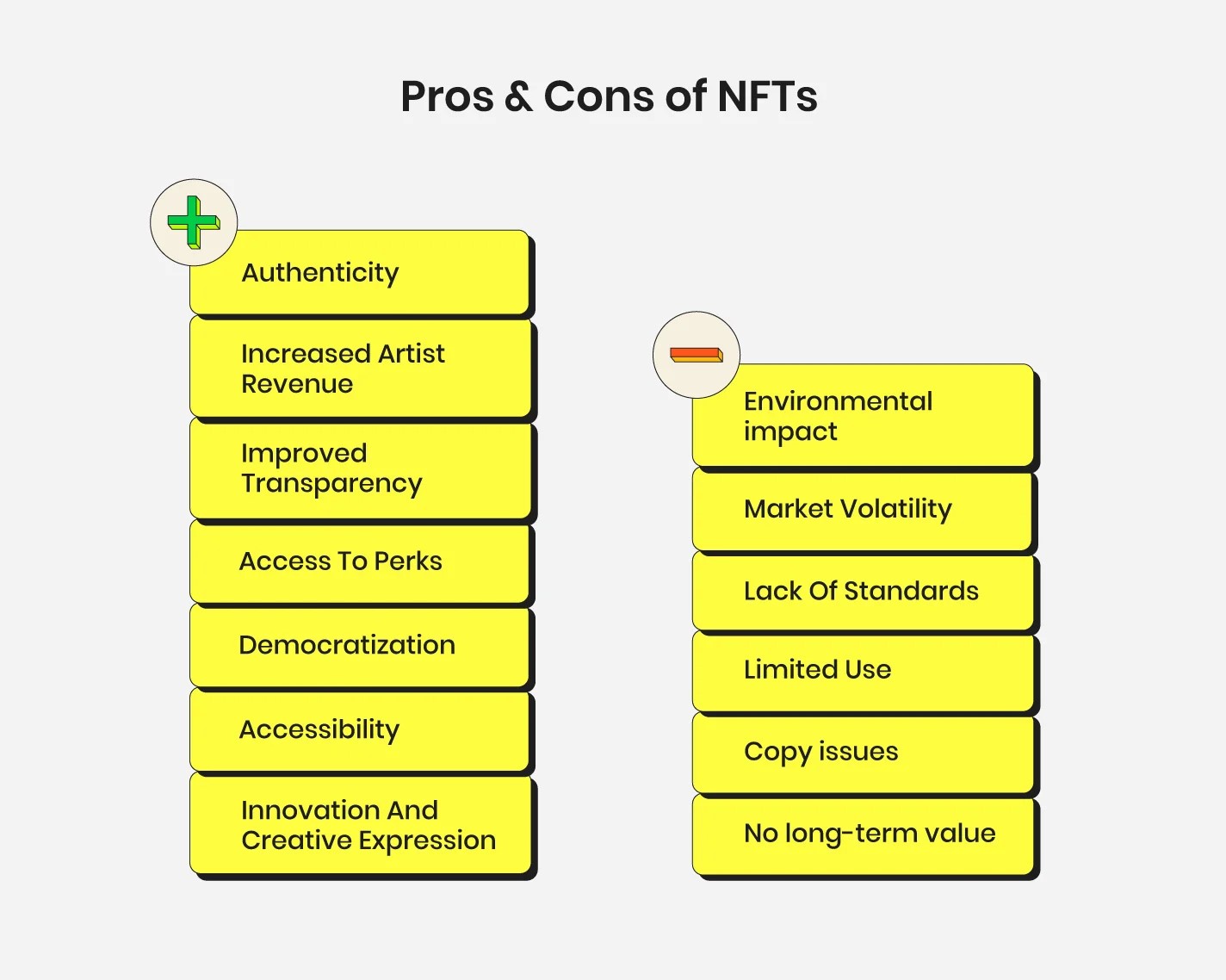
NFTs offer several advantages for business owners, including:
New Revenue Streams
Businesses can create and sell NFTs to generate additional revenue. For example, a fashion brand can sell digital versions of its clothing as NFTs, or a sports team can offer NFT-based memorabilia.
Enhanced Customer Engagement
NFTs can be used to create exclusive experiences and rewards for customers. For instance, a business can offer limited-edition NFTs as part of a loyalty program, incentivizing repeat purchases and fostering customer loyalty.
Improved Transparency and Security
Blockchain technology ensures that all NFT transactions are transparent and secure. This can enhance trust between businesses and their customers, as the ownership and authenticity of NFTs can be easily verified.
Innovation and Differentiation
Adopting NFTs can position a business as an innovator in its industry. By embracing this cutting-edge technology, businesses can differentiate themselves from competitors and attract tech-savvy customers.
7. Risks and Challenges
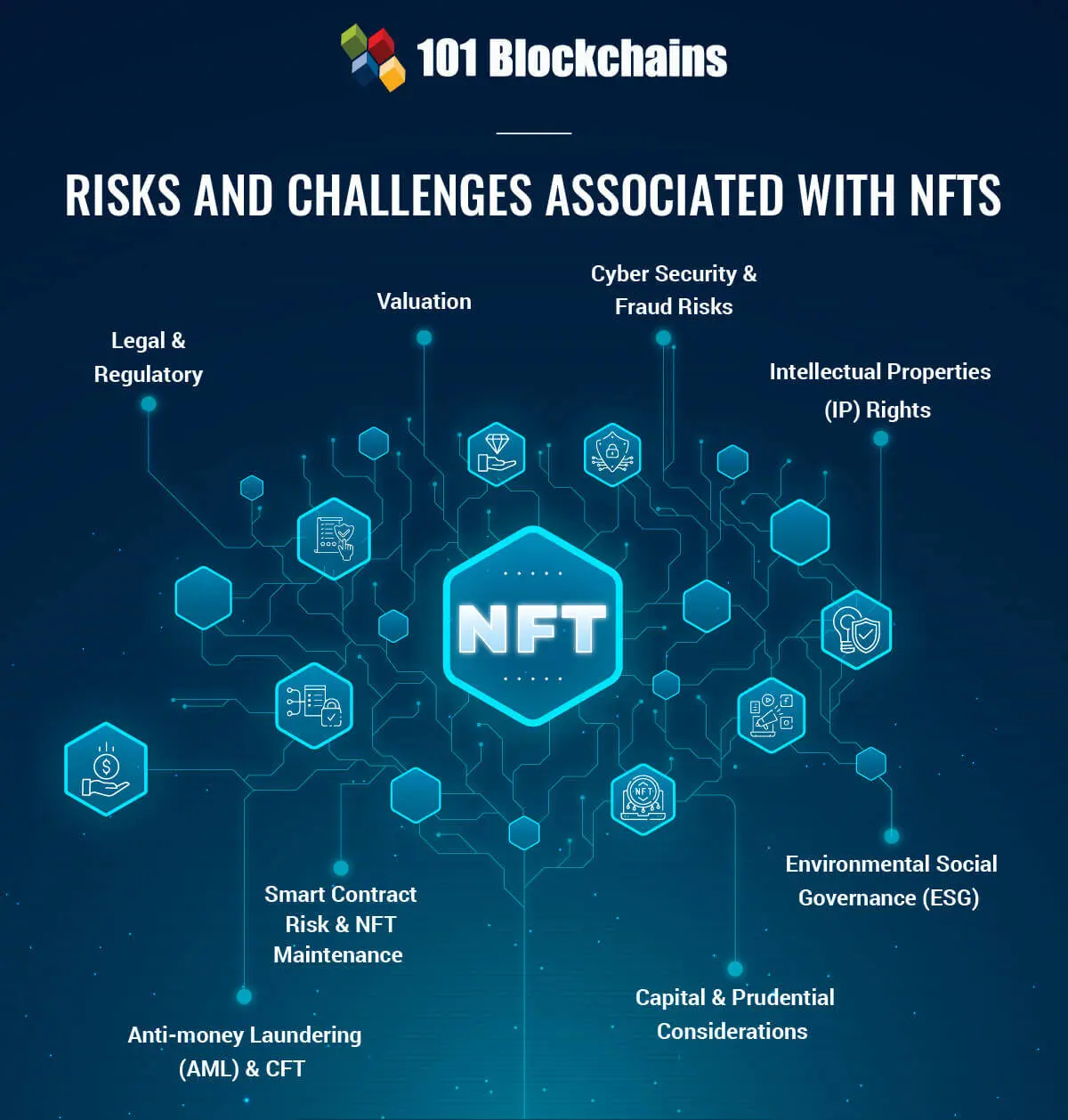
Despite their potential benefits, NFTs also come with risks and challenges that business owners should consider:
Market Volatility
The NFT market is highly volatile, with prices for digital assets often fluctuating dramatically. Business owners should be aware of the risks associated with investing in and selling NFTs.
Legal and Regulatory Issues
The legal and regulatory landscape for NFTs is still evolving. Businesses must navigate complex issues related to intellectual property, taxation, and consumer protection.
Environmental Concerns
The process of minting and transacting NFTs on blockchain networks can be energy-intensive, raising environmental concerns. Businesses should consider the environmental impact of their NFT activities and explore more sustainable options.
Technical Challenges
Creating, storing, and managing NFTs requires technical expertise. Businesses may need to invest in training or hire specialists to handle their NFT initiatives.
8. Future of NFTs
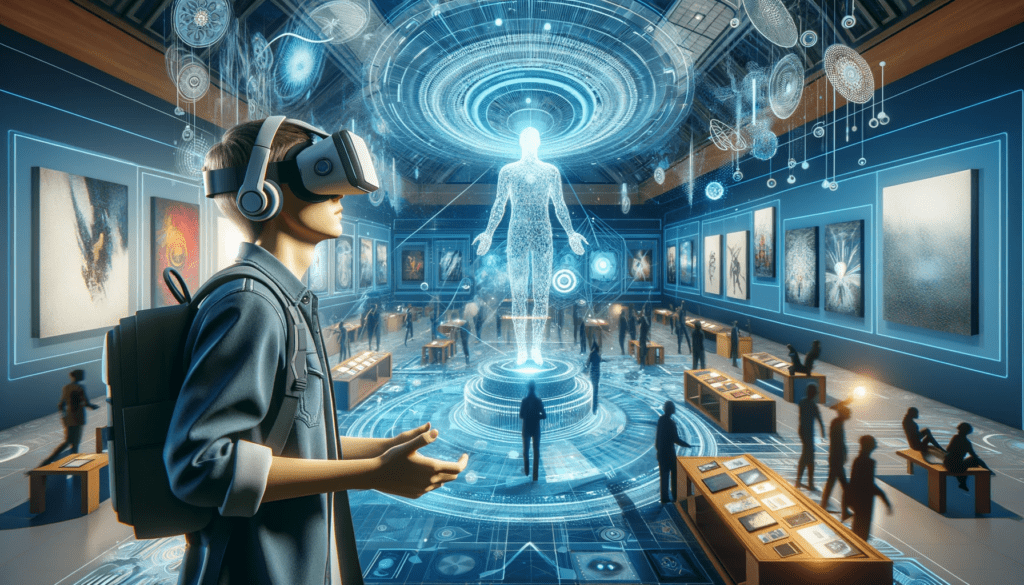
The future of NFTs is promising, with potential for growth and innovation across various industries. As blockchain technology continues to evolve, we can expect to see new applications and use cases for NFTs. Here are some trends to watch:
Integration with Augmented and Virtual Reality
NFTs could be integrated with augmented and virtual reality experiences, creating immersive and interactive digital environments. For example, virtual art galleries could showcase NFT artworks in a 3D space, enhancing the viewing experience.
Expansion into New Industries
Beyond art and entertainment, NFTs could find applications in industries such as healthcare, education, and supply chain management. For example, NFTs could be used to verify the authenticity of medical records or track the provenance of goods in a supply chain.
Enhanced Interoperability
As the NFT ecosystem matures, we can expect improved interoperability between different blockchain networks and platforms. This will enable seamless transfer and use of NFTs across various applications and environments.
9. Frequently Asked Questions (Q&A)
Q: What is an NFT?
A: An NFT, or Non-Fungible Token, is a unique digital asset verified using blockchain technology. Unlike cryptocurrencies, NFTs are one-of-a-kind and cannot be exchanged on a like-for-like basis.
Q: How are NFTs created?
A: NFTs are created through a process called minting, which involves writing the unique properties of the asset into the blockchain. This process ensures the authenticity and ownership of the NFT.
Q: Where can I buy and sell NFTs?
A: NFTs can be bought and sold on various online marketplaces, such as OpenSea, Rarible, and Mintable. These platforms facilitate the listing, buying, and selling of NFTs.
Q: Are NFTs a good investment?
A: The NFT market is highly volatile, and investing in NFTs carries risks. Business owners should conduct thorough research and consider their risk tolerance before investing in NFTs.
Q: How can my business benefit from NFTs?
A: NFTs can provide new revenue streams, enhance customer engagement, improve transparency and security, and position your business as an innovator. However, it's essential to weigh the potential benefits against the risks and challenges.
Q: What are the environmental impacts of NFTs?
A: The process of minting and transacting NFTs on blockchain networks can be energy-intensive, contributing to environmental concerns. Businesses should consider the environmental impact of their NFT activities and explore sustainable options.
10. Conclusion
NFTs represent a revolutionary development in the digital world, offering unique opportunities for businesses to innovate, engage with customers, and create new revenue streams. While the NFT market is still in its early stages and comes with risks, its potential for growth and transformation is undeniable. By understanding NFTs and staying informed about their applications and implications, business owners can make strategic decisions that leverage this technology to their advantage.
As with any emerging technology, it's crucial to approach NFTs with a balanced perspective, recognizing both their potential and the challenges they present. With careful planning and a forward-thinking mindset, businesses can navigate the NFT landscape and harness its power to drive growth and success in the digital age.
In conclusion, NFTs are not just a fleeting trend but a technological innovation with the potential to redefine various industries. By keeping abreast of the latest developments and understanding the fundamentals of NFTs, businesses can position themselves at the forefront of this digital revolution. Whether through creating new revenue streams, enhancing customer engagement, or improving transparency and security, NFTs offer numerous possibilities for businesses willing to explore and embrace this innovative technology.


