
In recent years, the rise of eco-friendly products has transformed consumer behavior and redefined business practices. For business owners, understanding and integrating eco-products into their offerings is no longer just an option—it’s a necessity. This blog aims to provide a comprehensive overview of eco-products, exploring their significance, benefits, and how businesses can successfully incorporate them into their strategies.
Table of Contents
- Understanding Eco Productssome text
- Definition and Characteristics
- Historical Context
- Examples of Eco-Products
- Lifecycle Analysis
- The Importance of Eco Productssome text
- Environmental Impact
- Consumer Demand
- Benefits for Businessessome text
- Brand Image and Loyalty
- Financial Incentives
- Opening New Markets
- Testimonials from Business Owners
- Challenges and Solutionssome text
- Common Challenges
- Overcoming Barriers
- Technology and Innovation
- Implementing Eco Products in Your Businesssome text
- Sourcing and Certification
- Government Regulations and Incentives
- Marketing Strategies
- Step-by-Step Guide
- Case Studies and Success Storiessome text
- Successful Eco Product Implementations
- More Examples
- Lessons Learned
- Q&A: Addressing Business Owners’ Concernssome text
- Common Questions and Expert Answers
- Additional Questions
Understanding Eco Products
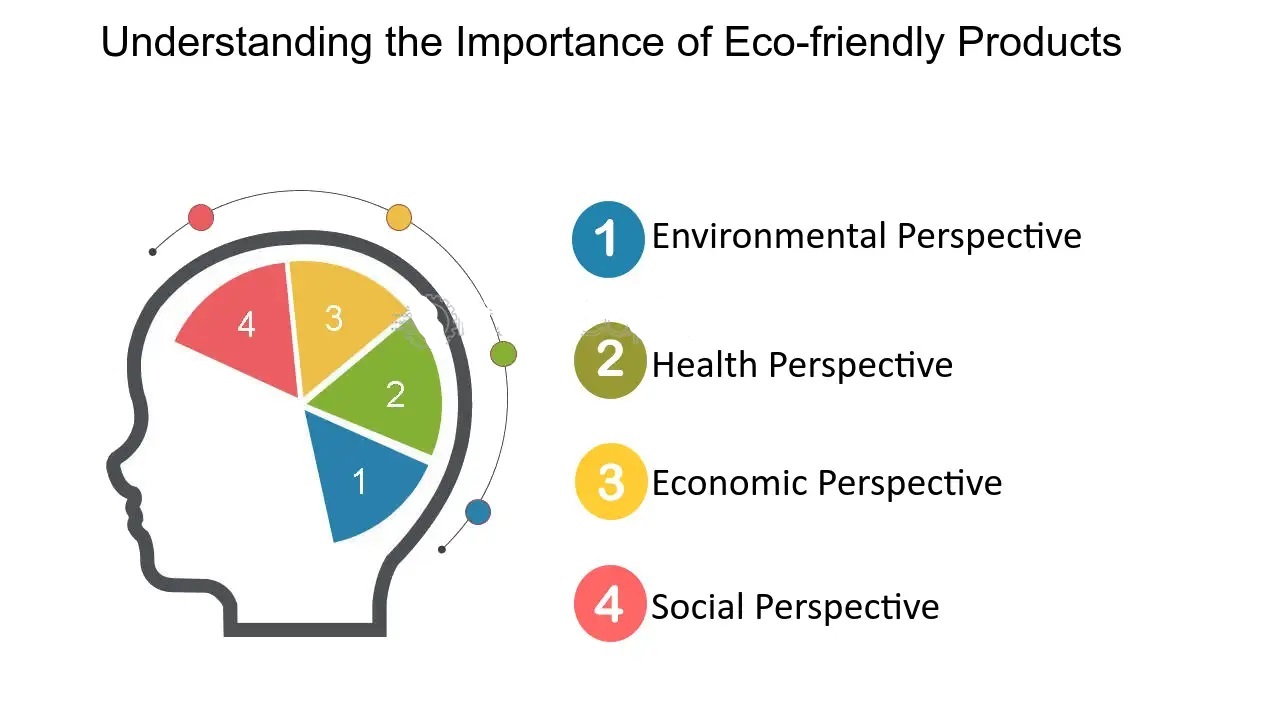
Definition and Characteristics
Eco-products are goods and services designed to minimize their environmental impact throughout their lifecycle, from production to disposal. They typically feature:
- Sustainable materials: Utilizing renewable, biodegradable, or recycled materials.
- Energy efficiency: Reducing energy consumption in production and use.
- Minimal packaging: Employing eco-friendly packaging solutions.
- Longevity: Designed for durability and long-term use.
Examples of Eco-Products
- Apparel: Clothing made from organic cotton, recycled polyester, or bamboo.
- Cleaning Products: Biodegradable detergents and cleaners made from natural ingredients.
- Electronics: Energy-efficient appliances and gadgets with recyclable components.
- Packaging: Biodegradable or compostable packaging materials.

Historical Context
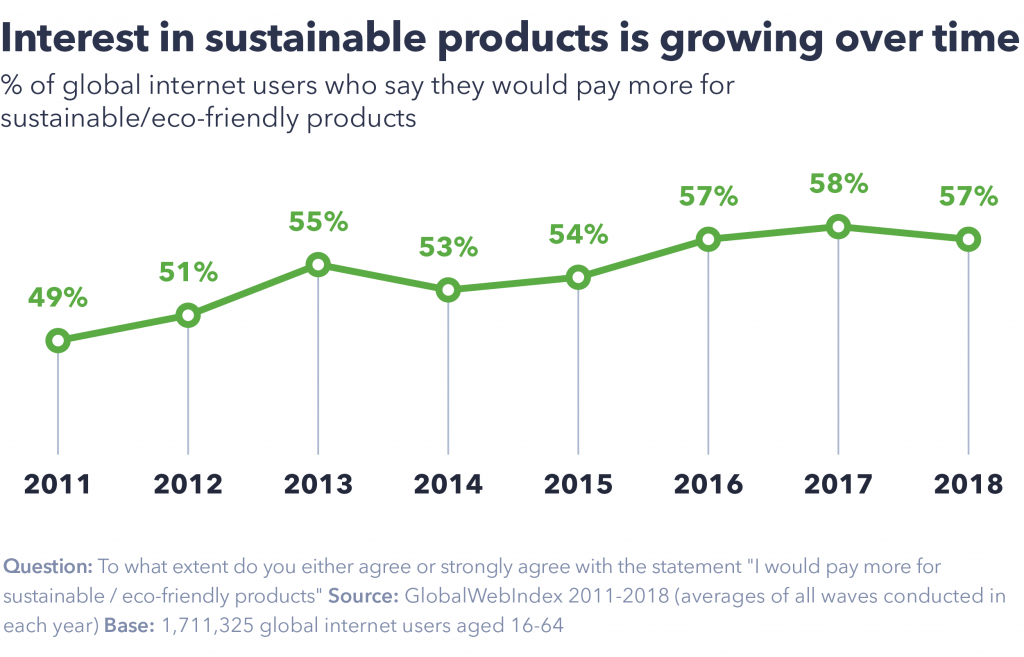
The concept of eco-friendly products dates back to the environmental movements of the 1960s and 1970s. However, it has gained significant momentum in the past two decades due to increased environmental awareness, technological advancements, and regulatory changes.
Lifecycle Analysis
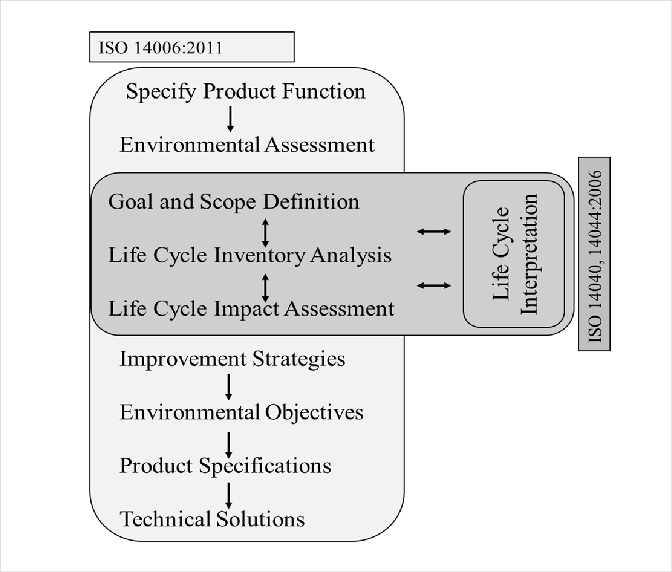
Lifecycle analysis (LCA) is a critical tool in assessing the environmental impact of eco-products. It evaluates every stage of a product's life, from raw material extraction to disposal, ensuring comprehensive sustainability.
The Importance of Eco Products
Environmental Impact
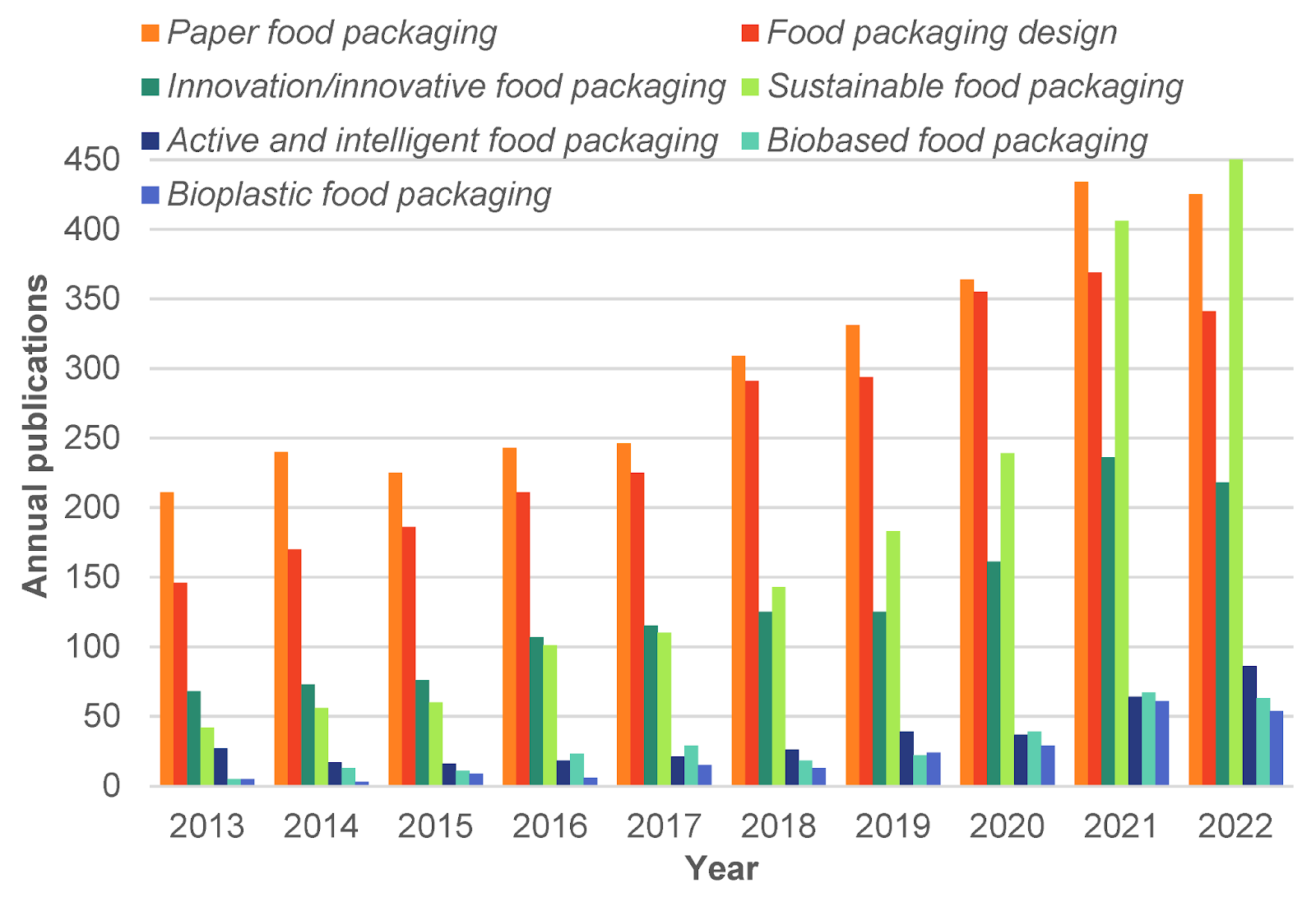
Eco-products play a crucial role in reducing the carbon footprint and conserving natural resources. They help in:
- Reducing waste: By promoting recycling and the use of biodegradable materials.
- Conserving resources: Using sustainable materials like bamboo or recycled plastic.
- Lowering emissions: Through energy-efficient production processes and transportation methods.
Statistical Data on Environmental Impact
- Carbon Footprint Reduction: According to the EPA, using recycled materials can reduce carbon emissions by up to 30%.
- Waste Reduction: The Ellen MacArthur Foundation reports that a circular economy could reduce global waste by 50%.
Consumer Demand
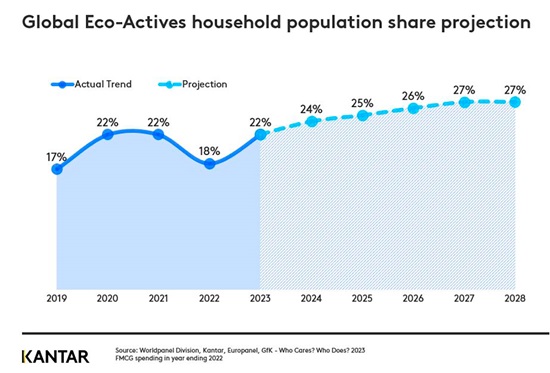
Today's consumers are more environmentally conscious than ever. A study by Nielsen found that 73% of global consumers are willing to change their consumption habits to reduce environmental impact. This shift in consumer behavior is driven by:
- Increased awareness: Greater knowledge about environmental issues.
- Ethical considerations: A desire to support companies that prioritize sustainability.
- Health benefits: Preference for products that are free from harmful chemicals.
Benefits for Businesses
Brand Image and Loyalty
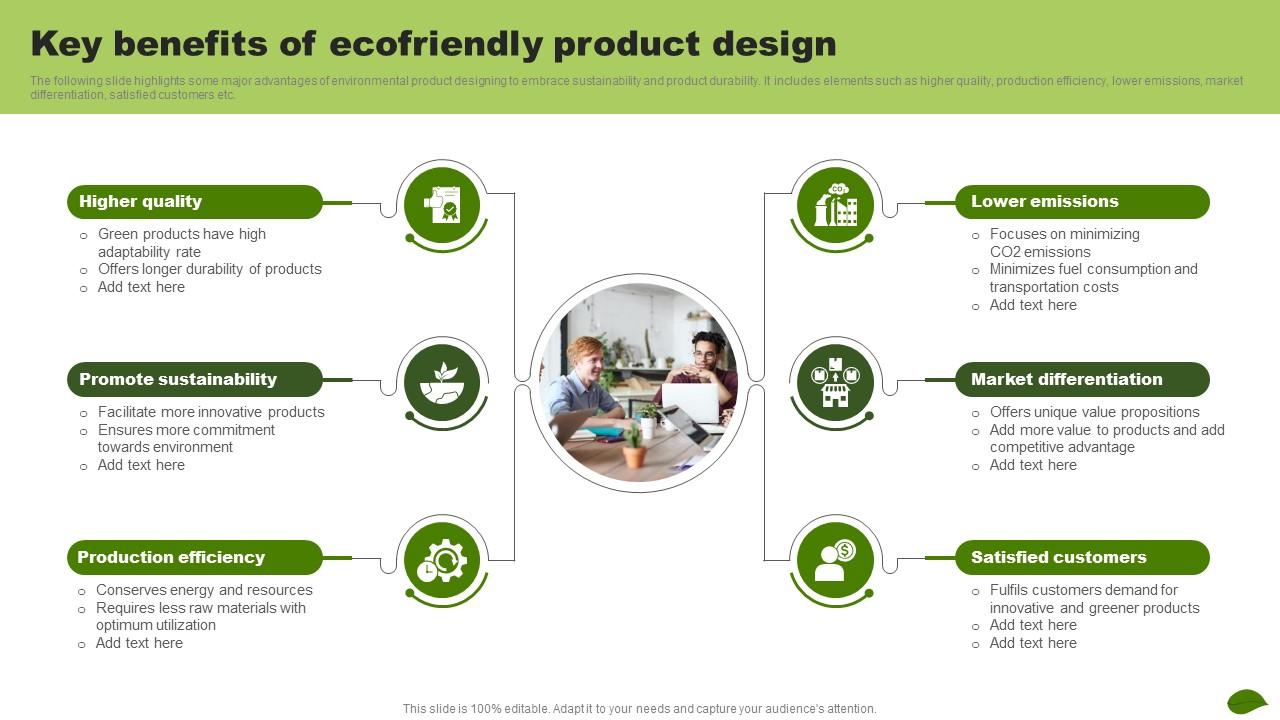
Integrating eco-products can significantly enhance a business's brand image. Companies that prioritize sustainability are often viewed more favorably, leading to:
- Increased brand loyalty: Customers are more likely to stay loyal to brands that align with their values.
- Positive publicity: Sustainable practices can attract media attention and boost a company's reputation.
- Competitive advantage: Differentiating a brand in a crowded market.
Opening New Markets
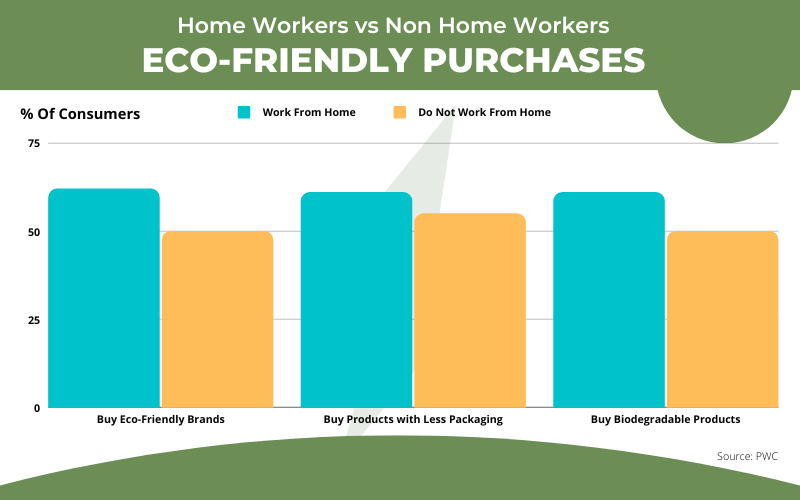
Eco-products can open new market opportunities, particularly among younger consumers and environmentally conscious demographics. By tapping into these markets, businesses can achieve:
- Higher market share: Attracting a broader customer base.
- Global reach: Eco-friendly products often appeal to international markets with strict environmental regulations.
Financial Incentives
While the initial investment in eco-products might be higher, the long-term financial benefits can be substantial:
- Cost savings: Through energy efficiency and waste reduction.
- Tax incentives: Many governments offer tax breaks and incentives for sustainable practices.
- Increased sales: As consumer demand for eco-friendly products grows.
Testimonials from Business Owners
"Switching to eco-friendly products not only reduced our operating costs but also attracted a loyal customer base that values sustainability," says Jane Smith, CEO of GreenTech Solutions.
Challenges and Solutions
Common Challenges
Despite the benefits, transitioning to eco-products can present several challenges:
- Higher costs: Initial investment in sustainable materials and processes can be expensive.
- Supply chain complexities: Sourcing eco-friendly materials can be difficult.
- Consumer skepticism: Overcoming perceptions of greenwashing.
Overcoming Barriers
To address these challenges, businesses can:
- Start small: Begin with one product line or process before scaling up.
- Educate consumers: Clearly communicate the benefits and authenticity of eco-products.
- Leverage partnerships: Collaborate with suppliers and other businesses to share resources and knowledge.
Technology and Innovation
Innovations in technology can significantly reduce the costs and complexities associated with eco-products. For instance, advances in biodegradable materials and energy-efficient manufacturing can lower production costs and improve product performance.
Implementing Eco Products in Your Business
Sourcing and Certification
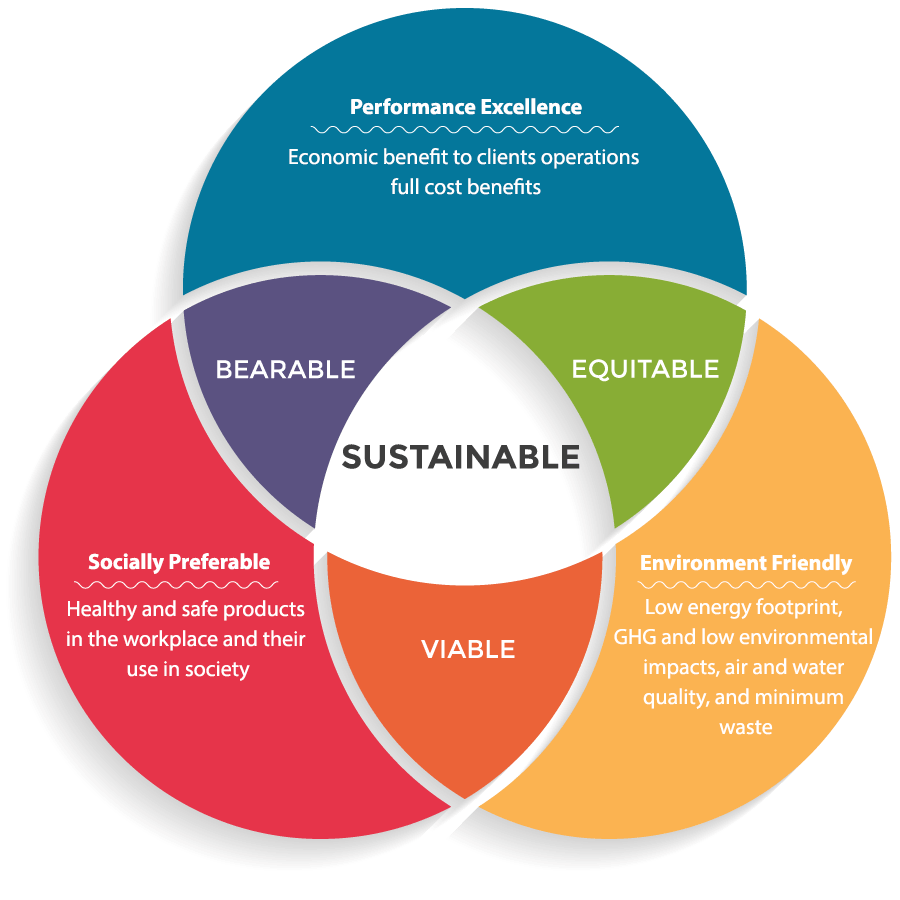
Finding reliable sources for eco-friendly materials is crucial. Look for certifications such as:
- FSC (Forest Stewardship Council): For sustainable wood products.
- Energy Star: For energy-efficient appliances.
- Fair Trade: For ethically sourced goods.
Government Regulations and Incentives
Understanding and complying with government regulations can facilitate the transition to eco-products. Additionally, taking advantage of government incentives can offset initial costs. For example, many governments offer grants and subsidies for businesses that invest in renewable energy and sustainable practices.
Marketing Strategies
Effectively marketing eco-products involves:
- Highlighting benefits: Emphasize the environmental and health benefits.
- Transparency: Provide detailed information about sourcing and manufacturing processes.
- Engaging storytelling: Share the journey and impact of your eco-products.
Step-by-Step Guide
- Assess Your Current Products: Identify which products can be replaced or improved with eco-friendly alternatives.
- Research Suppliers: Find reputable suppliers who offer certified sustainable materials.
- Develop a Transition Plan: Create a roadmap for integrating eco-products, including timelines and budget.
- Educate Your Team: Train your staff on the importance of sustainability and how to communicate it to customers.
- Launch and Market: Introduce your eco-products to the market with a strong marketing campaign highlighting their benefits.
Case Studies and Success Stories
Successful Eco Product Implementations
- Patagonia: Known for its commitment to sustainability, Patagonia uses recycled materials and promotes repair and reuse of its products.
- Tesla: By revolutionizing the automotive industry with electric cars, Tesla has significantly reduced reliance on fossil fuels.
- Unilever: Through its Sustainable Living Plan, Unilever has reduced its environmental footprint and increased its use of renewable energy.
More Examples
- IKEA: Implementing sustainable sourcing and aiming for 100% renewable energy by 2030.
- Seventh Generation: Producing eco-friendly cleaning products with plant-based ingredients and recycled packaging.
Lessons Learned
These companies illustrate that:
- Innovation is key: Continuously seeking new ways to improve sustainability.
- Consumer education matters: Helping customers understand the value of eco-products.
- Long-term vision pays off: Sustained commitment to sustainability can yield substantial rewards.
Q&A: Addressing Business Owners’ Concerns
Common Questions and Expert Answers
Q1: Are eco-products more expensive to produce?
A: Initially, eco-products can be more expensive due to the cost of sustainable materials and processes. However, long-term savings from energy efficiency, waste reduction, and potential tax incentives can offset these costs.
Q2: How can I ensure my eco-products are genuinely sustainable?
A: Look for reputable certifications like FSC, Energy Star, and Fair Trade. Additionally, transparency in your sourcing and manufacturing processes helps build consumer trust.
Q3: Will consumers pay more for eco-friendly products?
A: Many consumers are willing to pay a premium for eco-friendly products, especially if they perceive added value such as health benefits and ethical considerations.
Q4: How do I handle consumer skepticism about greenwashing?
A: Be transparent and honest in your marketing. Provide clear information about your sustainability practices and third-party certifications to build credibility.
Q5: What are some simple steps to start integrating eco-products?
A: Start with small changes, such as using sustainable packaging or introducing a single eco-friendly product line. Gradually expand as you gain experience and resources.
Additional Questions
Q6: How can small businesses compete with larger companies in the eco-products market?
A: Small businesses can leverage their agility and closer customer relationships. Focus on niche markets and personalized customer experiences to differentiate from larger competitors.
Q7: What role does digital marketing play in promoting eco-products?
A: Digital marketing is crucial for reaching eco-conscious consumers. Utilize social media, content marketing, and SEO to highlight your sustainability efforts and engage with your audience.
Conclusion
The rise of eco-products is not just a trend—it’s a fundamental shift in how businesses operate and consumers make purchasing decisions. For business owners, embracing eco-products offers numerous benefits, from enhanced brand loyalty to financial incentives. By understanding the challenges and implementing effective strategies, businesses can successfully transition to more sustainable practices.
Eco-products are the future, and the businesses that adopt them today will be the leaders of tomorrow. By starting small, educating consumers, and continuously innovating, you can make a significant impact on both your business and the environment.
Take the first step towards sustainability and join the growing movement of businesses committed to a greener, more sustainable future.


