
Non-fungible tokens, or NFTs, have taken the digital landscape by storm, capturing the imagination of investors, creators, and enthusiasts alike. Whether you're a seasoned blockchain proponent or simply curious about the latest technological trends, NFTs offer a glimpse into a future brimming with possibilities for ownership, creativity, and value exchange. In this comprehensive exploration, we'll delve into the fascinating world of NFTs, uncovering some surprising facts and highlighting their potential applications within the business sphere.
1. Humble Beginnings: A $4 Pioneering Step in a Multi-Billion Dollar Market
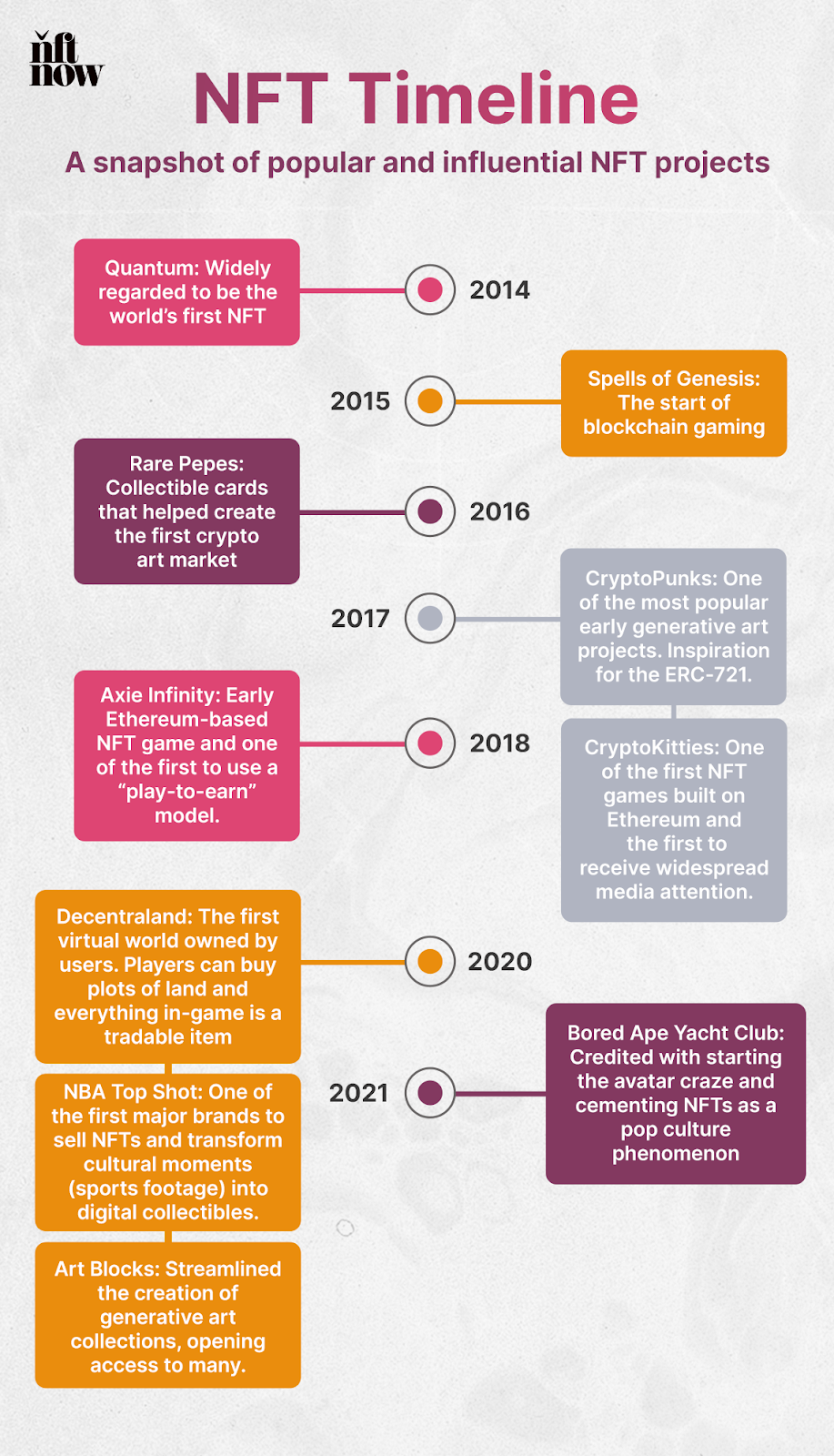
The origin story of NFTs might surprise you. Contrary to the multi-million dollar headlines they generate today, the first NFT, titled "Quantum," was a digital art piece by Kevin McCoy and Anil Dash that sold for a mere $4 in 2014. While seemingly insignificant at the time, Quantum's modest debut marked a pivotal moment, demonstrating the potential for unique digital ownership and the creation of verifiable scarcity in the digital realm.
2. Celebrity Spotlight: Bridging the Gap Between Pop Culture and Digital Innovation

The world of NFTs has become a playground for celebrities, blurring the lines between pop culture and digital innovation. Musicians like Grimes have leveraged this technology to sell their digital art collections for millions, while prominent figures like Jack Dorsey, the founder of Twitter, auctioned his very first tweet as an NFT for a staggering $2.9 million. The NBA's Top Shot platform further exemplifies this phenomenon, allowing fans to purchase, trade, and own officially licensed NBA highlight moments as NFTs – some fetching upwards of $200,000. This convergence underscores the mainstream appeal of NFTs and their ability to bridge the gap between traditional collectibles and the digital world.
3. Record-Shattering Sales: Redefining Value in the Digital Age

NFTs have made headlines for their astronomical price tags, capturing the attention of both enthusiasts and skeptics. One of the most iconic sales was Beeple's "Everydays: The First 5000 Days," a digital collage compiling his daily artwork for over 13 years. This groundbreaking piece fetched a record-breaking $69.3 million at Christie's auction house, demonstrating the potential of NFTs to redefine value within the art world.
CryptoPunk #7804, a pixelated character from the popular CryptoPunks collection, further solidified this notion by selling for a staggering $7.6 million. These record-breaking sales not only highlight the speculative nature of the NFT market but also underscore the potential for digital assets to command significant value.
4. Beyond Art: A Universe of NFT Applications
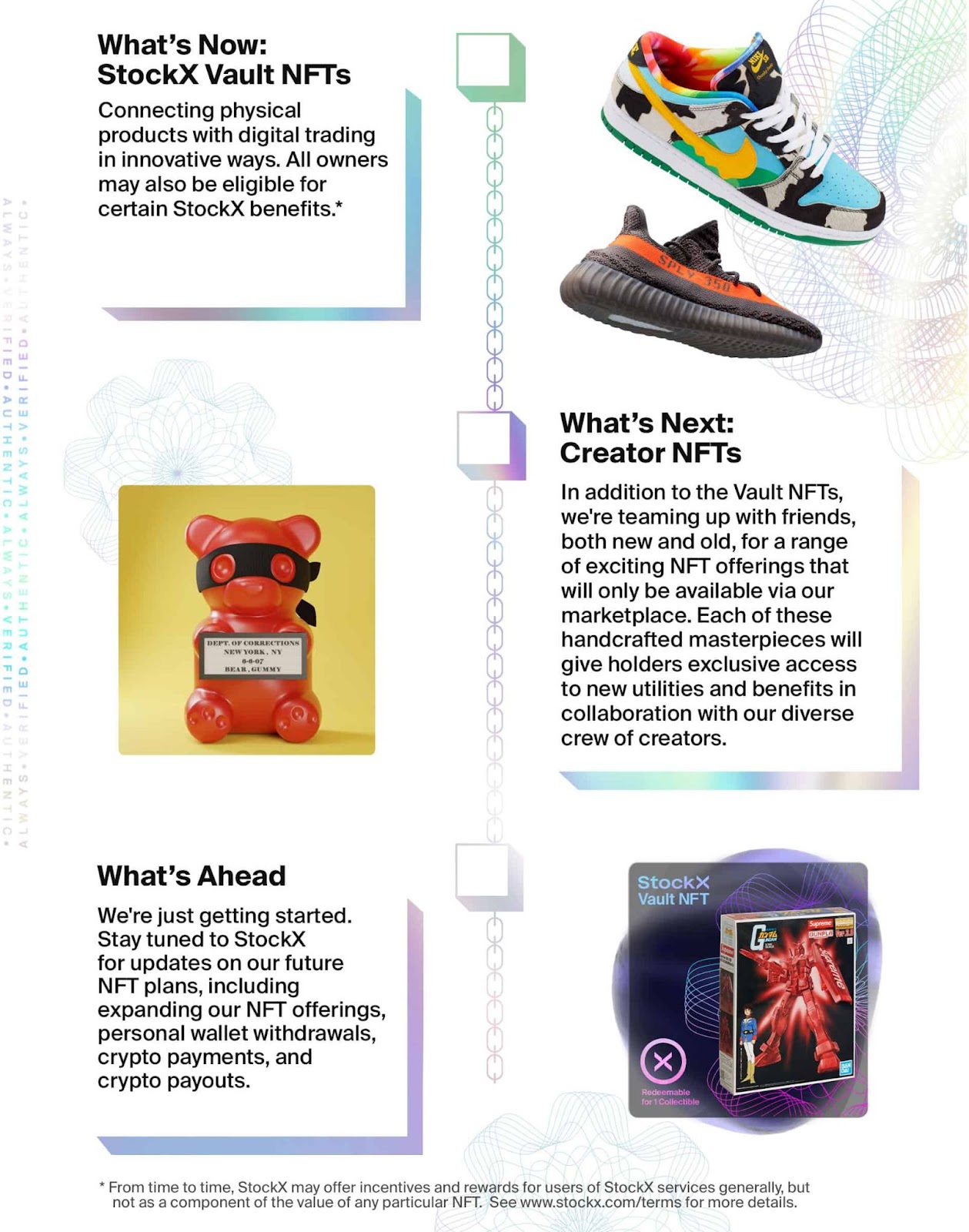

While art has been the driving force behind the NFT boom, its applications extend far beyond paintings and digital sculptures. The music industry is another space ripe for exploration. Bands like Kings of Leon have released albums as NFTs, offering fans exclusive content and experiences alongside the music itself. This trend highlights the potential for NFTs to transform fan engagement and create new revenue streams within the music industry. The world of film is also embracing NFTs. Filmmakers are exploring their use for movie distribution and securing funding, paving the way for innovative approaches to content creation and ownership.
5. Gamers Take Charge: Play-to-Earn and the Rise of In-Game Assets
The gaming industry has been at the forefront of NFT adoption. Games like Axie Infinity and CryptoKitties have popularized the concept of unique in-game assets that can be traded or sold. This "play-to-earn" model allows players to own these assets as NFTs, potentially generating real-world income through gameplay. Axie Infinity, for example, has fostered a thriving digital economy where players can breed and battle their Axies (adorable, collectible creatures) to earn cryptocurrency. This innovative approach to gaming empowers players and unlocks new possibilities for economic participation within virtual worlds.
6. A New Era for Businesses: How NFTs Can Revolutionize Your Operations
Beyond the realm of art and entertainment, NFTs hold immense potential for businesses across various sectors. Let's explore some compelling applications that could transform the way you operate:
A. Fostering Deeper Customer Engagement: NFTs offer a unique way to connect with your customers on a more personal level. Imagine creating limited-edition digital collectibles tied to your brand. These could range from exclusive artwork to behind-the-scenes content or access to special events. Owning these NFTs fosters a sense of community and exclusivity, strengthening brand loyalty and driving deeper customer engagement.
B. Expanding Your Product Portfolio: Digital Merchandise with a Twist: NFTs open doors to entirely new product lines. Brands like Nike and Louis Vuitton are already exploring NFT-based products, such as virtual sneakers and clothing. These digital items can be traded or sold, creating a new revenue stream and increasing brand visibility.
NFT-based products, such as virtual sneakers and clothing. These digital items can be traded or sold, creating a new revenue stream and increasing brand visibility in the digital space. Think of it as a way to cater to the growing tech-savvy audience who values both the physical and digital worlds. Imagine offering a limited-edition collection of virtual sneakers that unlock exclusive discounts or in-game benefits within a partner game. This type of integration creates a more immersive brand experience for your customers.
C. Ticketing Reimagined: NFTs for Seamless Event Access : NFTs have the potential to revolutionize event ticketing. By issuing tickets as NFTs, businesses can eliminate fraud and create a seamless experience for attendees. Here's how:
Enhanced Security: NFTs leverage blockchain technology, making them virtually impossible to counterfeit. This eliminates the risk of ticket fraud and scalping, ensuring only legitimate ticket holders gain access to the event.
Streamlined Entry: NFT tickets can be easily stored and accessed through digital wallets. This eliminates the need for physical tickets and the hassle of printing or waiting in long lines at the entrance.
Additional Features: NFTs can be programmed with additional features, such as exclusive content, merchandise discounts, or access to VIP areas. This creates a more engaging experience for attendees and opens doors for new revenue streams.
D. Supply Chain Transparency and Traceability: The transparency and traceability offered by blockchain technology are major advantages of NFTs. Businesses can leverage this to track the movement of goods throughout the supply chain. This can be particularly beneficial for industries dealing with luxury goods or ethically sourced materials. Imagine a high-end watch manufacturer using NFTs to track the origin of each component, ensuring authenticity and providing valuable insights to customers.
E. Fractional Ownership: Democratizing Access to High-Value Assets: NFTs open doors for fractional ownership, allowing individuals to invest in high-value assets that might otherwise be out of reach. This can be applied to various sectors, including:
Real Estate: NFTs can be used to represent fractional ownership of a property, allowing multiple investors to participate at a lower entry point.
Collectibles: Rare collectibles like artwork or classic cars can be divided into NFTs and offered to a wider pool of investors.
Intellectual Property: Authors, musicians, and other creators can leverage NFTs to fractionalize ownership of their intellectual property, generating new revenue streams.
Challenges and Considerations for Businesses
While NFTs offer exciting possibilities, there are also challenges and considerations for businesses to keep in mind:
Market Volatility: The NFT market is still young and relatively volatile. Businesses need to be prepared for price fluctuations and a rapidly evolving landscape.
Technical Complexity: Integrating NFTs into existing business models can involve technical complexities. Partnering with blockchain experts can help navigate these challenges.
Environmental Concerns: The energy consumption of blockchain technology has raised environmental concerns. Businesses should explore energy-efficient blockchain solutions to minimize their environmental impact.
The Future of NFTs: A Brave New World of Possibilities
The world of NFTs is still in its early stages, but its potential impact is undeniable. As the technology matures and adoption grows, we can expect to see even more innovative applications emerge across various industries. From revolutionizing customer engagement to transforming ownership models, NFTs have the power to reshape the digital landscape and create a new era of possibilities.
Are you ready to explore the exciting world of NFTs? Whether you're a business owner, an artist, or simply a curious observer, NFTs offer a glimpse into a future brimming with creativity and innovation.
In conclusion, NFTs represent a fascinating technological advancement with the potential to disrupt various industries and redefine how we interact with digital assets. By understanding the core concepts, exploring the diverse applications, and carefully considering the challenges, businesses can leverage NFTs to unlock new opportunities and gain a competitive edge in the ever-evolving digital landscape.


