

In recent years, eco products have made a remarkable transition from being a niche market to becoming a significant segment in the mainstream market. This shift reflects growing consumer awareness and demand for sustainable and environmentally friendly products. Let’s dive into the factors driving this change, the key trends, and what the future holds for green products.
The Rise of Eco Products: A Brief Overview
Eco products, also known as green or sustainable products, are designed to minimize environmental impact throughout their lifecycle. They encompass a wide range of items, from organic foods and biodegradable packaging to energy-efficient appliances and eco-friendly clothing. Initially, these products were targeted at a small, environmentally conscious audience. However, the landscape has dramatically changed over the past decade.
Why Eco Products Were Once a Niche Market
In the early stages, eco products were primarily marketed to a small group of eco-conscious consumers. These early adopters were willing to pay a premium for products that aligned with their values of sustainability and environmental responsibility. Several factors contributed to the niche status of eco products:
- Higher Costs: Sustainable materials and production processes often come at a higher price, which translated to more expensive products.
- Limited Awareness: There was a lack of widespread awareness and understanding of the benefits of eco-friendly products.
- Limited Availability: Eco products were not readily available in mainstream retail outlets, making them harder to find and purchase.
- Perception Issues: There was a perception that eco products were inferior in quality or less effective than their conventional counterparts.
The Transition to Mainstream: Key Drivers

The shift from niche to mainstream has been driven by several key factors, including increased consumer awareness, corporate responsibility, government regulations, and advancements in technology.
1. Increased Consumer Awareness
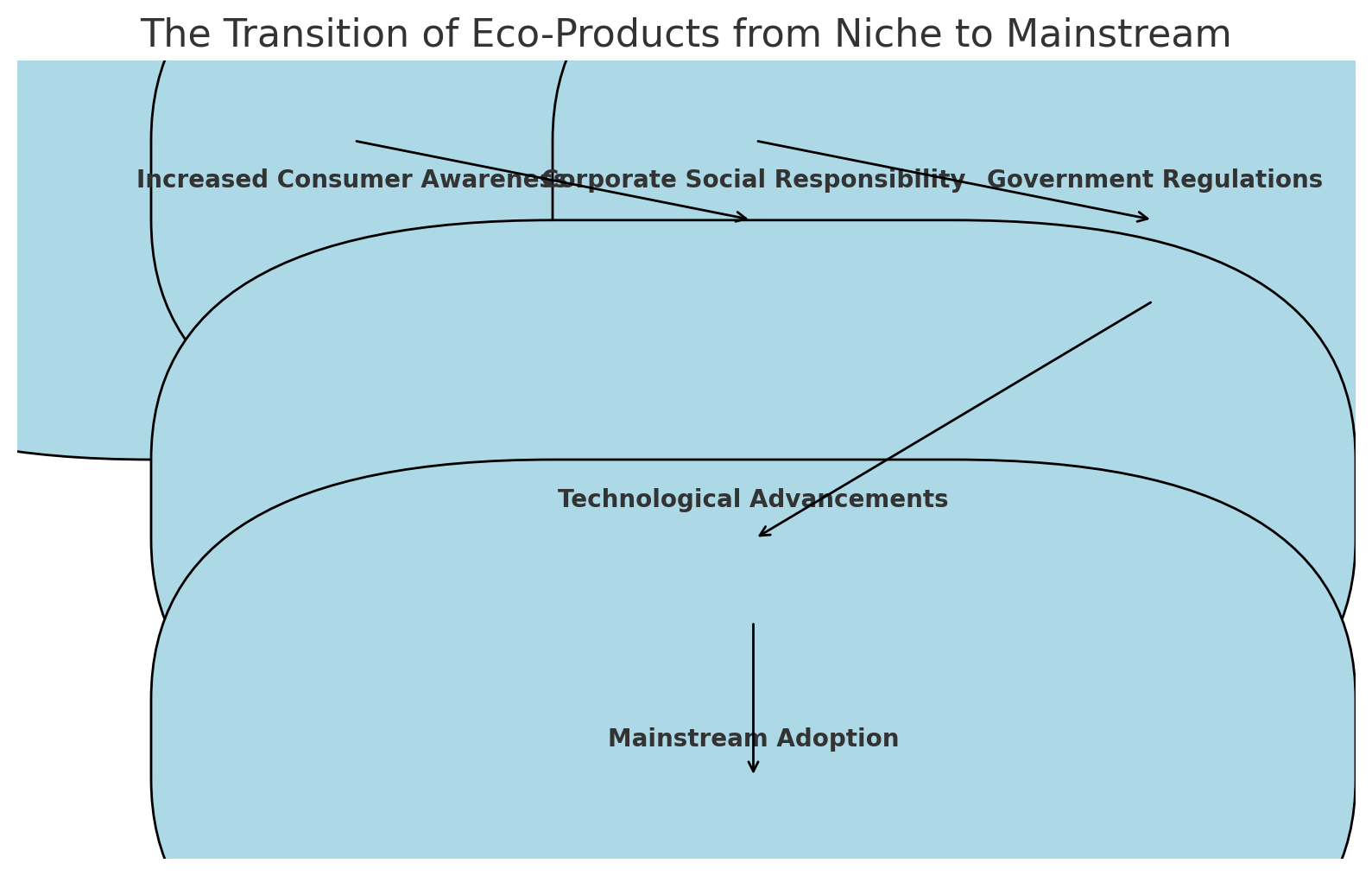
Today's consumers are more informed than ever about the environmental and social impacts of their purchasing decisions. This heightened awareness has led to a significant increase in demand for eco-friendly products. Factors contributing to this awareness include:
- Media Coverage: Extensive media coverage of environmental issues, such as climate change, plastic pollution, and deforestation, has raised public consciousness.
- Social Media Influence: Influencers and activists on social media platforms have played a crucial role in promoting sustainable lifestyles and products.
- Educational Campaigns: Nonprofits, government agencies, and companies have launched educational campaigns to highlight the benefits of eco products.
2. Corporate Responsibility
Many companies have recognized the importance of sustainability and have integrated eco-friendly practices into their operations. Corporate social responsibility (CSR) has become a core component of business strategy, with companies striving to reduce their environmental footprint and enhance their brand image. Initiatives include:
- Sustainable Sourcing: Companies are sourcing raw materials from sustainable and ethical suppliers.
- Green Manufacturing: Adoption of energy-efficient and low-emission manufacturing processes.
- Eco-Friendly Packaging: Shift towards biodegradable, recyclable, or reusable packaging materials.
3. Government Regulations
Government policies and regulations have also played a pivotal role in promoting eco products. These regulations encourage or mandate the use of sustainable practices and products:
- Bans on Single-Use Plastics: Many countries have implemented bans or restrictions on single-use plastics, driving demand for alternative eco-friendly products.
- Incentives for Green Products: Governments offer tax breaks, subsidies, and grants to companies that produce or use sustainable products.
- Strict Environmental Standards: Implementation of stringent environmental standards for products and manufacturing processes.
4. Technological Advancements
Technological innovations have made it easier and more cost-effective to produce eco-friendly products. Advancements include:
- Improved Materials: Development of new sustainable materials, such as biodegradable plastics and organic fabrics.
- Energy Efficiency: Innovations in energy-efficient technologies for appliances, vehicles, and industrial processes.
- Recycling Technologies: Enhanced recycling processes that increase the viability of recycled materials.
Key Trends in the Green Product Market
The mainstream adoption of eco products has led to several key trends in the market:
1. Rise of Plant-Based Products

Plant-based foods and beverages have seen a significant surge in popularity. Consumers are increasingly opting for plant-based alternatives to meat and dairy, driven by health concerns, environmental impact, and animal welfare considerations.
- Market Growth: The plant-based food market is projected to reach $74.2 billion by 2027, reflecting a compound annual growth rate (CAGR) of 11.9%.
- Innovative Products: Beyond traditional meat substitutes, companies are developing plant-based seafood, dairy-free cheeses, and egg alternatives.
2. Growth of the Circular Economy
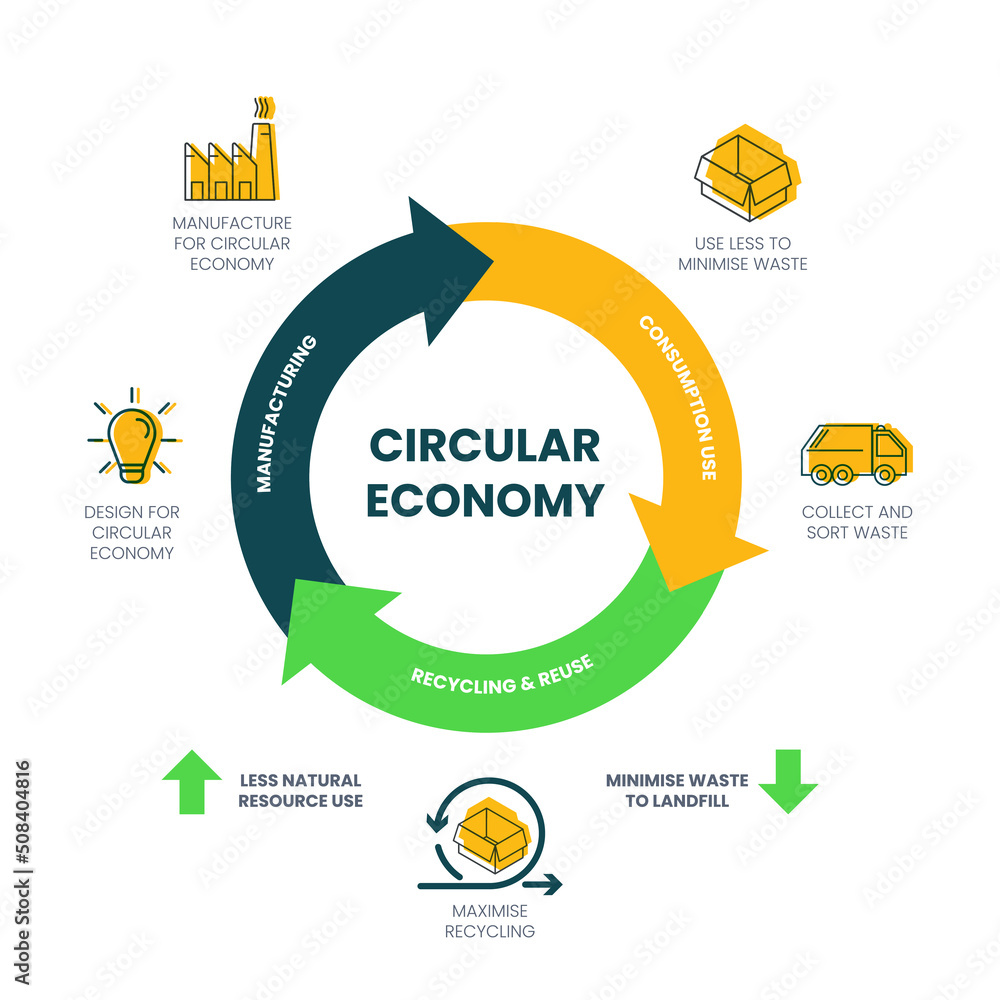
The concept of a circular economy, which emphasizes recycling, reusing, and refurbishing products to extend their lifecycle, is gaining traction. Companies are developing products with longer lifespans and are implementing take-back programs to recycle and reuse materials.
- Extended Producer Responsibility (EPR): Some governments are implementing EPR policies, holding manufacturers accountable for the entire lifecycle of their products, including end-of-life disposal.
- Zero-Waste Initiatives: Brands are adopting zero-waste manufacturing processes, reducing waste generation and promoting product reuse.
3. Eco-Friendly Packaging

Sustainable packaging solutions are becoming standard practice. Companies are investing in biodegradable, compostable, and recyclable packaging materials to reduce waste and environmental impact.
- Innovative Materials: Packaging innovations include edible packaging, mycelium-based materials, and algae-based plastics.
- Consumer Demand: Studies show that 74% of consumers are willing to pay more for sustainable packaging.
4. Sustainable Fashion
The fashion industry is undergoing a green revolution, with brands embracing sustainable practices. This includes using organic and recycled materials, reducing water and energy consumption, and ensuring fair labor practices.
- Slow Fashion Movement: Consumers are moving away from fast fashion, favoring high-quality, durable items that last longer.
- Transparency and Traceability: Brands are providing detailed information about their supply chains, allowing consumers to make informed choices.
5. Renewable Energy Products

Renewable energy products, such as solar panels, wind turbines, and energy-efficient home systems, are becoming more accessible and affordable. Consumers are increasingly investing in these technologies to reduce their carbon footprint and save on energy costs.
- Residential Solar Power: The cost of solar panels has dropped significantly, making it a viable option for homeowners.
- Smart Home Technologies: Energy-efficient appliances and smart home systems are helping consumers reduce energy consumption and manage resources more effectively.
The Future of Eco Products
The future looks bright for eco products, with continued growth and innovation on the horizon. Several factors will shape the future of this market segment:
1. Continued Consumer Demand
Consumer demand for sustainable products is expected to continue growing. As awareness and education about environmental issues increase, more consumers will seek out eco-friendly options.
- Millennials and Gen Z: These generations are particularly driven by sustainability and are influencing market trends through their purchasing power.
- Global Awareness: Environmental issues are gaining attention worldwide, leading to a global increase in demand for green products.
2. Innovation and Technology
Ongoing advancements in technology will further enhance the sustainability and affordability of eco products. Innovations in materials science, manufacturing processes, and recycling technologies will drive the market forward.
- Biodegradable Innovations: Scientists are developing biodegradable plastics and other materials that can decompose naturally, reducing landfill waste.
- Energy Storage Solutions: Advancements in energy storage technologies, such as batteries and supercapacitors, will support the growth of renewable energy.
3. Corporate and Government Initiatives
Corporations will continue to integrate sustainability into their business models, driven by consumer demand, regulatory pressures, and the need to mitigate environmental risks. Governments will likely implement more stringent regulations and offer incentives to promote the adoption of green products.
- Sustainability Reporting: More companies are adopting sustainability reporting, providing transparency about their environmental and social impacts.
- Green Investments: Investors are increasingly focusing on companies with strong sustainability credentials, driving businesses to prioritize eco-friendly practices.
4. Global Collaboration
Addressing environmental challenges requires global collaboration. International agreements, such as the Paris Agreement, will play a crucial role in driving the adoption of sustainable practices and products worldwide.
- Climate Action Plans: Countries are developing and implementing climate action plans to meet international climate goals.
- Cross-Sector Partnerships: Collaboration between governments, businesses, and non-governmental organizations (NGOs) will be essential to advancing sustainability initiatives.
FAQs
Q: What are eco products?
A: Eco products, also known as green or sustainable products, are designed to minimize environmental impact throughout their lifecycle. They include items such as organic foods, biodegradable packaging, energy-efficient appliances, and eco-friendly clothing.
Q: Why are eco products becoming more popular?
A: Eco products are gaining popularity due to increased consumer awareness, corporate responsibility initiatives, government regulations, and advancements in technology that make these products more accessible and affordable.
Q: What are some examples of eco products?
A: Examples include plant-based foods, sustainable fashion items, renewable energy products, eco-friendly packaging, and products designed for a circular economy.
Q: How do government regulations impact the eco product market?
A: Government regulations promote the use of sustainable practices and products through bans on single-use plastics, incentives for green products, and the implementation of strict environmental standards.
Q: What is the future of eco products?
A: The future of eco products looks promising, with continued consumer demand, technological innovations, corporate and government initiatives, and global collaboration driving growth and development in this market segment.
Wrapping Up
The transition of eco products from niche to mainstream is a testament to the growing importance of sustainability in today's world. As consumers become more environmentally conscious, businesses and governments must continue to innovate and support the development of green products. This shift not only benefits the environment but also opens up new opportunities for economic growth and social well-being. The journey of eco products from niche to mainstream is just beginning, and the future holds even greater promise for a more sustainable world.


