
In today's rapidly evolving digital landscape, Non-Fungible Tokens (NFTs) have emerged as a revolutionary force. Initially making headlines through high-profile art sales and digital collectibles, NFTs are now influencing various sectors, including consumer behavior toward sustainability. For business leaders keen on understanding this trend, the intersection of NFTs and eco-friendly initiatives offers a compelling narrative on how technology can drive positive environmental change.
The Rise of NFTs in the Eco-Friendly Movement

NFTs, unique digital assets authenticated using blockchain technology, have garnered immense popularity. While their environmental impact, especially regarding energy consumption, has been a point of concern, recent innovations in the space are addressing these issues, making NFTs more sustainable. Blockchain platforms are adopting eco-friendly practices, such as transitioning to Proof of Stake (PoS) mechanisms, which significantly reduce energy consumption.
How NFTs Promote Eco-Friendly Consumer Behavior
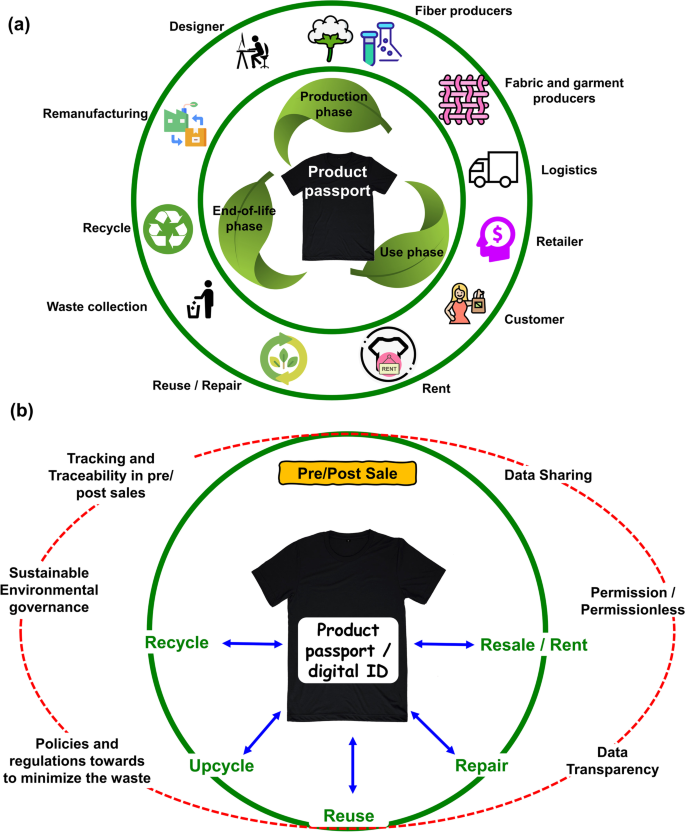
- Transparent Supply Chains:some text
- Case Study: Provenance Provenance, a blockchain platform, utilizes NFTs to track the journey of products from origin to consumer. This transparency ensures that consumers are informed about the sustainability practices involved in the production of their purchases. For instance, Provenance has partnered with companies like Unilever to provide detailed insights into the sourcing of raw materials, allowing consumers to make informed, eco-friendly choices.
- Incentivizing Green Purchases:some text
- Example: Earth Fund Earth Fund, an innovative startup, uses NFTs to reward consumers who make eco-friendly purchases. When a consumer buys a sustainable product, they receive an NFT that can be traded or redeemed for eco-friendly rewards. This gamification of green behavior encourages more consumers to opt for sustainable options, fostering a culture of environmental responsibility.
- Digital Art for Environmental Causes:some text
- Case Study: Beeple's Carbon Drop Renowned digital artist Beeple launched the Carbon Drop, an NFT project aimed at raising funds for environmental initiatives. The project successfully raised millions of dollars, which were then donated to climate change organizations. This example highlights how NFTs can be leveraged to fundraise and raise awareness for crucial environmental issues.
The Business Benefits of Embracing NFTs for Sustainability
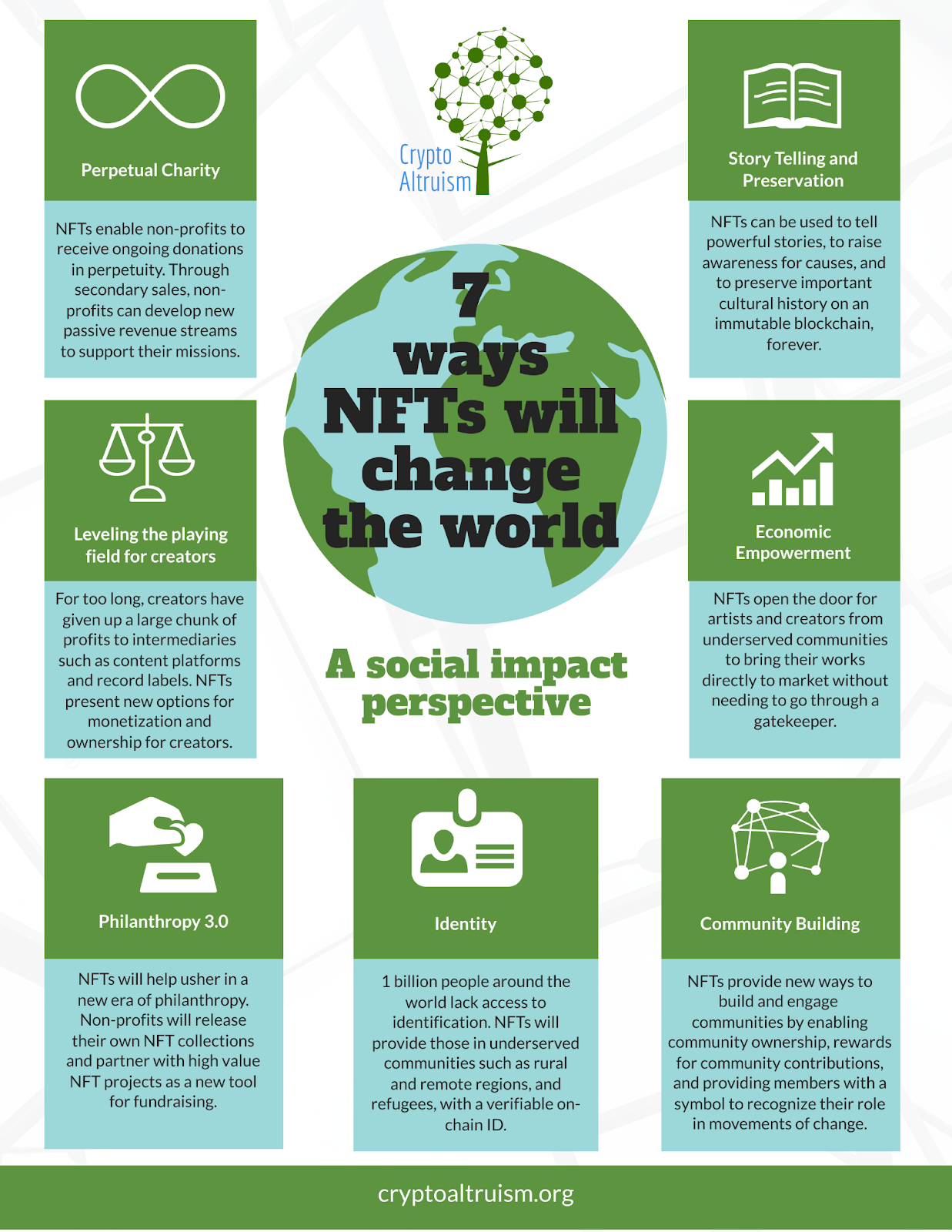
For businesses, integrating NFTs into sustainability strategies offers several advantages:
- Enhanced Brand Loyalty: By aligning with eco-friendly initiatives through NFTs, businesses can strengthen their brand loyalty. Consumers today are increasingly conscious of their environmental impact and prefer brands that share their values. NFTs provide a unique way to engage with this demographic.
- Innovative Marketing Strategies: NFTs offer a novel marketing tool. Businesses can create exclusive, limited-edition NFTs linked to sustainable products or services, driving consumer interest and engagement. For example, fashion brands like Gucci have launched digital collections that promote sustainable fashion, attracting eco-conscious consumers.
- Data-Driven Insights: The transparency provided by blockchain technology allows businesses to gather valuable data on consumer behavior and preferences. This data can be used to refine marketing strategies and product offerings, ensuring they align with consumer demands for sustainability.
Addressing the Environmental Concerns of NFTs
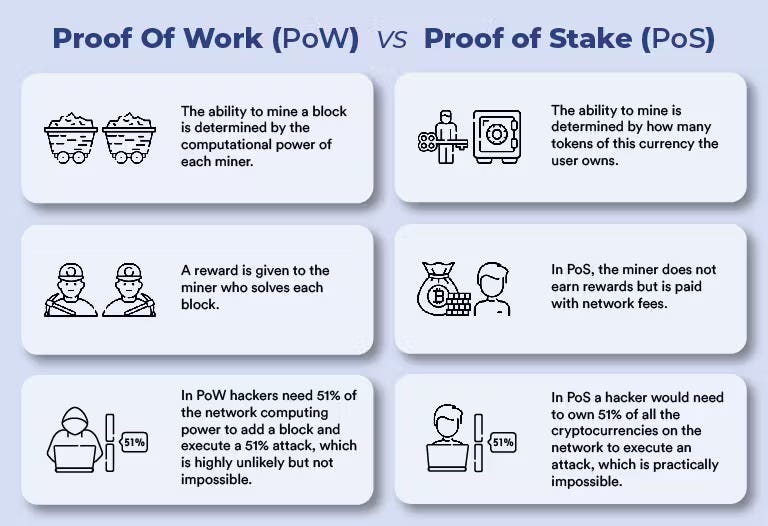
While NFTs have the potential to drive eco-friendly behavior, their environmental impact cannot be ignored. The energy-intensive nature of blockchain technology, particularly Proof of Work (PoW) systems, has raised valid concerns. However, the industry is actively seeking solutions:
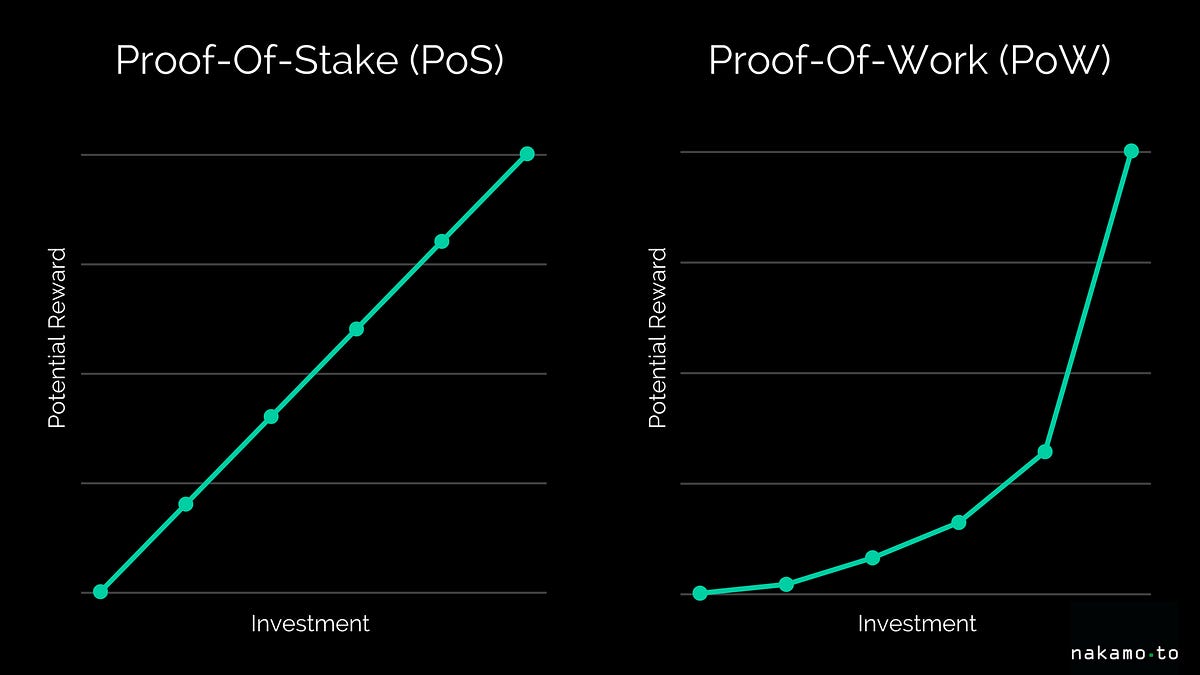
- Transition to Proof of Stake (PoS): Many blockchain platforms are transitioning to PoS, which drastically reduces the energy required for transactions. Ethereum, one of the most popular platforms for NFTs, has made significant strides in this direction with its Ethereum 2.0 upgrade.
- Carbon Offsetting: Companies and artists are increasingly adopting carbon offsetting practices to mitigate the environmental impact of NFTs. Platforms like Aerial provide tools to calculate and offset the carbon footprint of NFT transactions, promoting a more sustainable approach.
Real-World Applications and Success Stories
- Stella McCartney: Sustainable Fashion NFTs Luxury fashion brand Stella McCartney has embraced NFTs to promote sustainable fashion. By creating digital twins of their physical products, they provide consumers with a transparent view of the sustainability practices involved in production. This initiative not only educates consumers but also enhances the brand's reputation as a leader in sustainable fashion.
- Impact of NFTs in the Real Estate Sector In real estate, NFTs are being used to promote eco-friendly building practices. Property developers are issuing NFTs that certify buildings meet certain sustainability criteria. These digital certificates can be transferred with the property, ensuring that eco-friendly practices are maintained throughout the property's lifecycle.
- Eco-Friendly Tourism: NFT-Based Incentives The tourism industry is also leveraging NFTs to promote sustainable travel. Eco-friendly resorts and travel companies are offering NFTs as rewards for choosing green travel options. These NFTs can provide access to exclusive experiences or discounts, incentivizing travelers to opt for more sustainable options.
The Future of NFTs and Eco-Friendly Consumer Behavior

As the technology and its applications continue to evolve, the potential for NFTs to drive eco-friendly consumer behavior will only grow. Here are some trends to watch:
- Increased Collaboration: More businesses will collaborate with blockchain developers to create eco-friendly NFT solutions, integrating sustainability into their core operations.
- Broader Adoption: As awareness of the environmental impact of NFTs grows, more platforms will adopt energy-efficient technologies, making NFTs a mainstream tool for promoting sustainability.
- Innovative Use Cases: The versatility of NFTs will lead to innovative applications across various sectors, from renewable energy credits to sustainable agriculture certifications, further embedding eco-friendly practices into consumer behavior.
Real-World Applications and Success Stories: A Deeper Dive

To understand the profound impact of NFTs on eco-friendly consumer behavior, let's delve deeper into some more success stories and innovative applications that highlight this transformative potential.
Chia Network: Sustainable Blockchain Solutions
Chia Network, a blockchain platform, has introduced a unique consensus algorithm called Proof of Space and Time, which is significantly more energy-efficient than traditional Proof of Work mechanisms. By utilizing unused hard drive space, Chia reduces the environmental impact of blockchain transactions. Businesses adopting Chia's technology can issue NFTs with a much smaller carbon footprint, aligning their operations with sustainability goals and appealing to eco-conscious consumers.
Regen Network: Incentivizing Regenerative Agriculture
Regen Network leverages blockchain and NFTs to promote regenerative agriculture practices. By tokenizing the carbon sequestration potential of farmland, Regen Network provides farmers with financial incentives to adopt eco-friendly practices. These tokens, represented as NFTs, can be sold on the open market, providing a direct economic benefit for sustainable farming. This approach not only enhances environmental sustainability but also supports the agricultural economy.
Fashion Industry: Digital Wardrobes and Sustainable Fashion
The fashion industry is notorious for its environmental impact, but NFTs offer a way to turn the tide. Digital wardrobes, where consumers buy and wear digital clothing in virtual environments, reduce the demand for physical production. Brands like The Fabricant and RTFKT Studios are leading the way by creating high-end digital fashion that consumers can flaunt on social media and in virtual worlds. This shift not only reduces waste but also encourages consumers to think differently about fashion consumption.
Ecoluxe: Luxury with a Conscience
Ecoluxe, a luxury goods marketplace, integrates NFTs to verify the authenticity and sustainability of its products. Each luxury item comes with a digital certificate of authenticity in the form of an NFT, which includes detailed information about the product's sustainability credentials. This practice enhances transparency and trust, allowing consumers to make luxury purchases without compromising on their environmental values.
Leveraging NFTs for Corporate Social Responsibility (CSR)
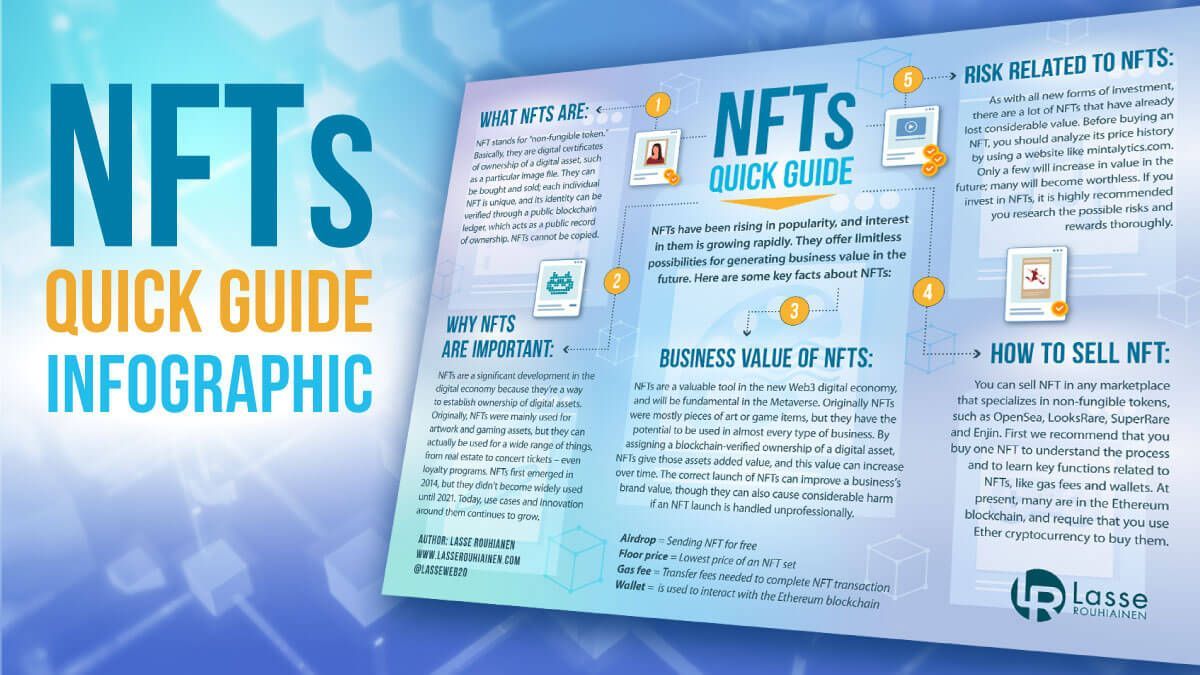
NFTs offer a unique opportunity for businesses to enhance their Corporate Social Responsibility (CSR) initiatives. By integrating NFTs into their CSR strategies, companies can engage customers in innovative ways and promote sustainability. Here are a few strategies:
- Charity Auctions: Businesses can organize NFT charity auctions, where the proceeds go toward environmental causes. This not only raises funds but also increases brand visibility and reinforces the company's commitment to sustainability.
- Employee Engagement: Companies can reward employees for sustainable practices with NFTs. For example, employees who participate in green initiatives or achieve certain sustainability milestones can receive exclusive NFTs, fostering a culture of environmental responsibility within the organization.
- Customer Rewards Programs: NFT-based loyalty programs can incentivize customers to make eco-friendly choices. By rewarding customers with NFTs for sustainable purchases or behaviors, businesses can encourage ongoing engagement and loyalty while promoting environmental consciousness.
The Path Forward: Strategies for Businesses
To effectively leverage NFTs for promoting eco-friendly consumer behavior, businesses should consider the following strategies:
- Educate and Engage: Educate consumers about the environmental impact of NFTs and the steps being taken to mitigate it. Transparency builds trust and encourages more consumers to participate in eco-friendly NFT initiatives.
- Collaborate with Eco-Friendly Platforms: Partner with blockchain platforms that prioritize sustainability. Collaborations with platforms like Chia Network or Regen Network can ensure that your NFT initiatives are aligned with environmental goals.
- Innovate Continuously: Stay ahead of the curve by exploring new and innovative applications of NFTs in promoting sustainability. The landscape is rapidly evolving, and businesses that innovate continuously will lead the charge in driving eco-friendly consumer behavior.
- Monitor and Adapt: Regularly monitor the impact of your NFT initiatives and be willing to adapt based on consumer feedback and technological advancements. Continuous improvement is key to maintaining relevance and effectiveness in promoting sustainability.
Final Thoughts
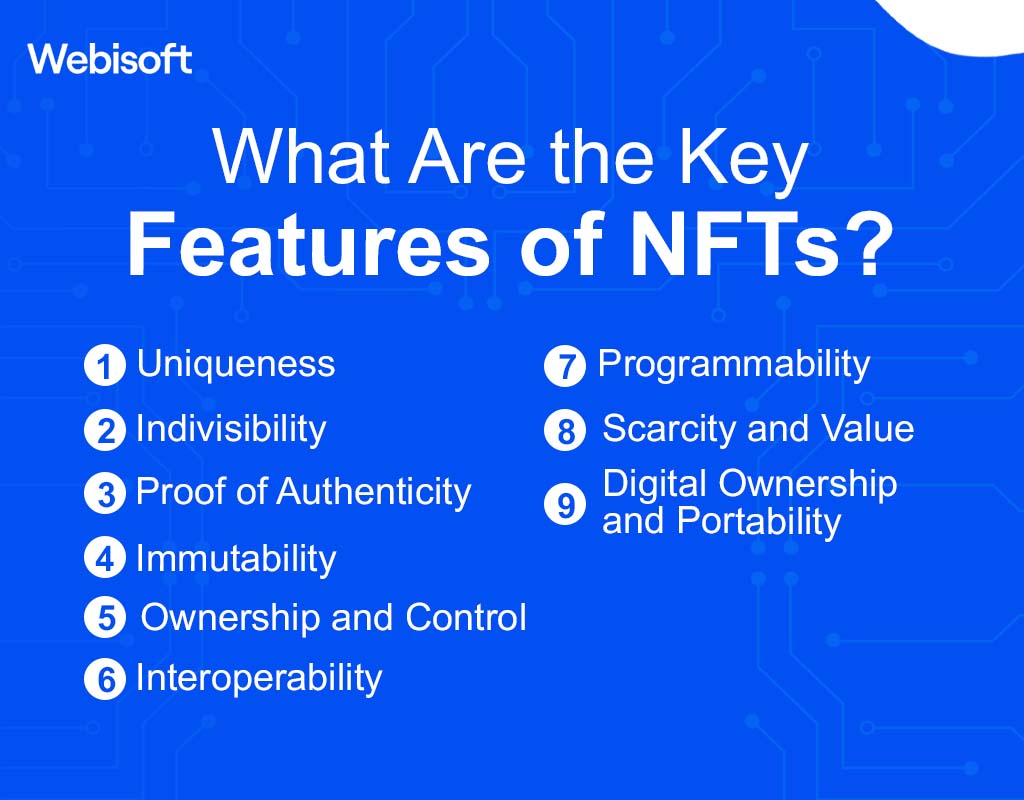
NFTs are more than just a digital trend; they're a powerful tool for promoting sustainability. For business leaders, understanding and leveraging NFTs can not only enhance brand loyalty and create innovative marketing opportunities but also contribute to a more sustainable future. By adopting eco-friendly NFT practices, businesses can position themselves at the forefront of the green movement, driving positive change in consumer behavior and setting new standards for sustainability in the digital age.
Embracing NFTs for sustainability is not without its challenges, but with thoughtful implementation and a commitment to continuous improvement, businesses can harness the full potential of NFTs to drive eco-friendly consumer behavior. The future is green, and NFTs are paving the way for a more sustainable world.


